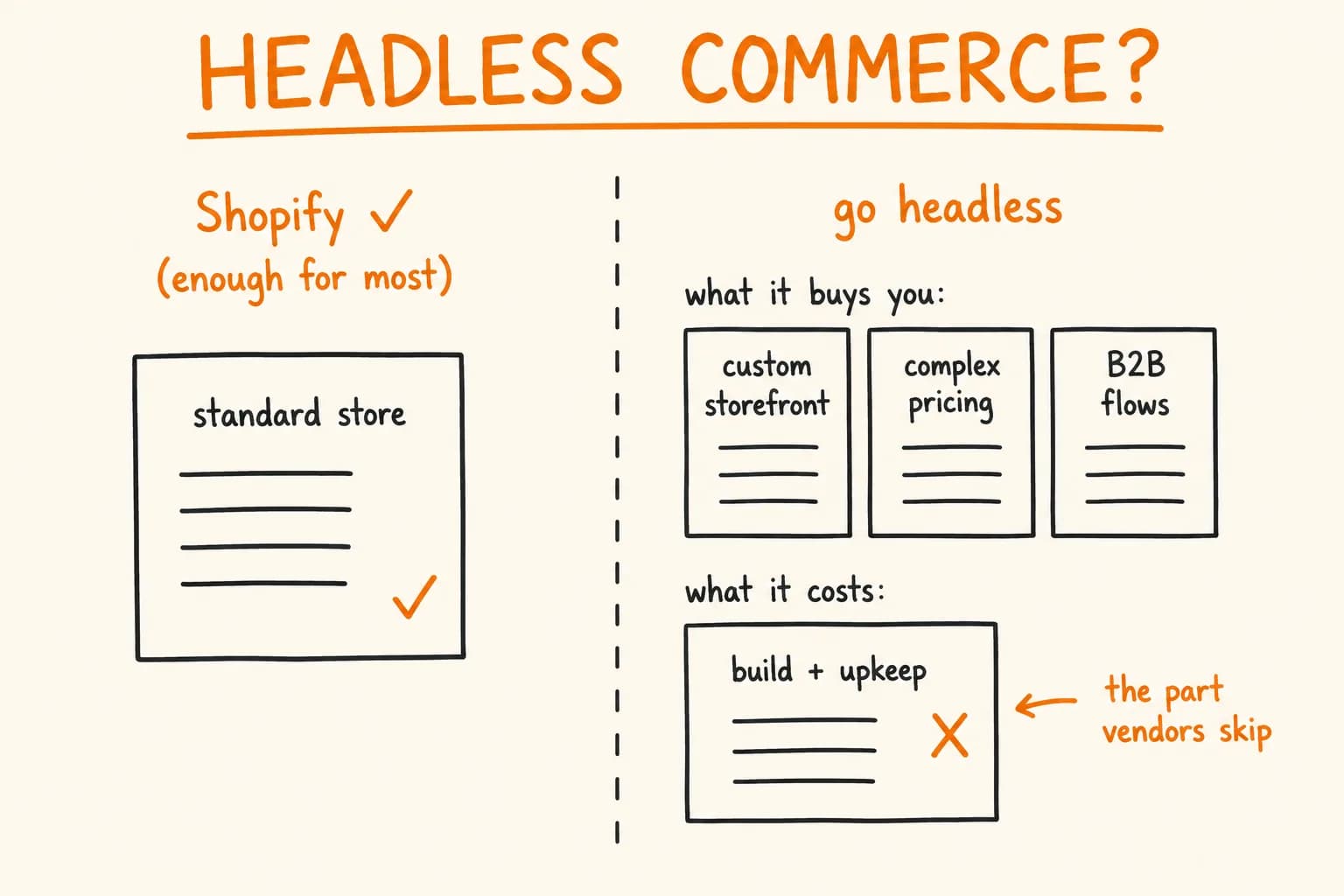
‘Headless’ is one of those words that sounds like a decision you’re supposed to have an opinion about. A developer or an agency mentions it, and suddenly you’re weighing an architecture choice you didn’t ask for, for a store that’s currently doing fine.
So let’s strip the term of its mystique. On a normal Shopify store, the part your customer sees – the storefront – and the part that runs the shop – the cart, checkout, catalogue, orders – come welded together. Going headless means splitting them: you keep a commerce engine for payments and orders, but you build the storefront yourself, from scratch, as a custom website that talks to that engine over an API.
That’s it. Headless means you own the front of the shop and rent the back. The question isn’t whether headless is modern or impressive. It’s whether owning that front half is worth what it costs you to build and keep it running.
What Owning the Storefront Actually Buys You
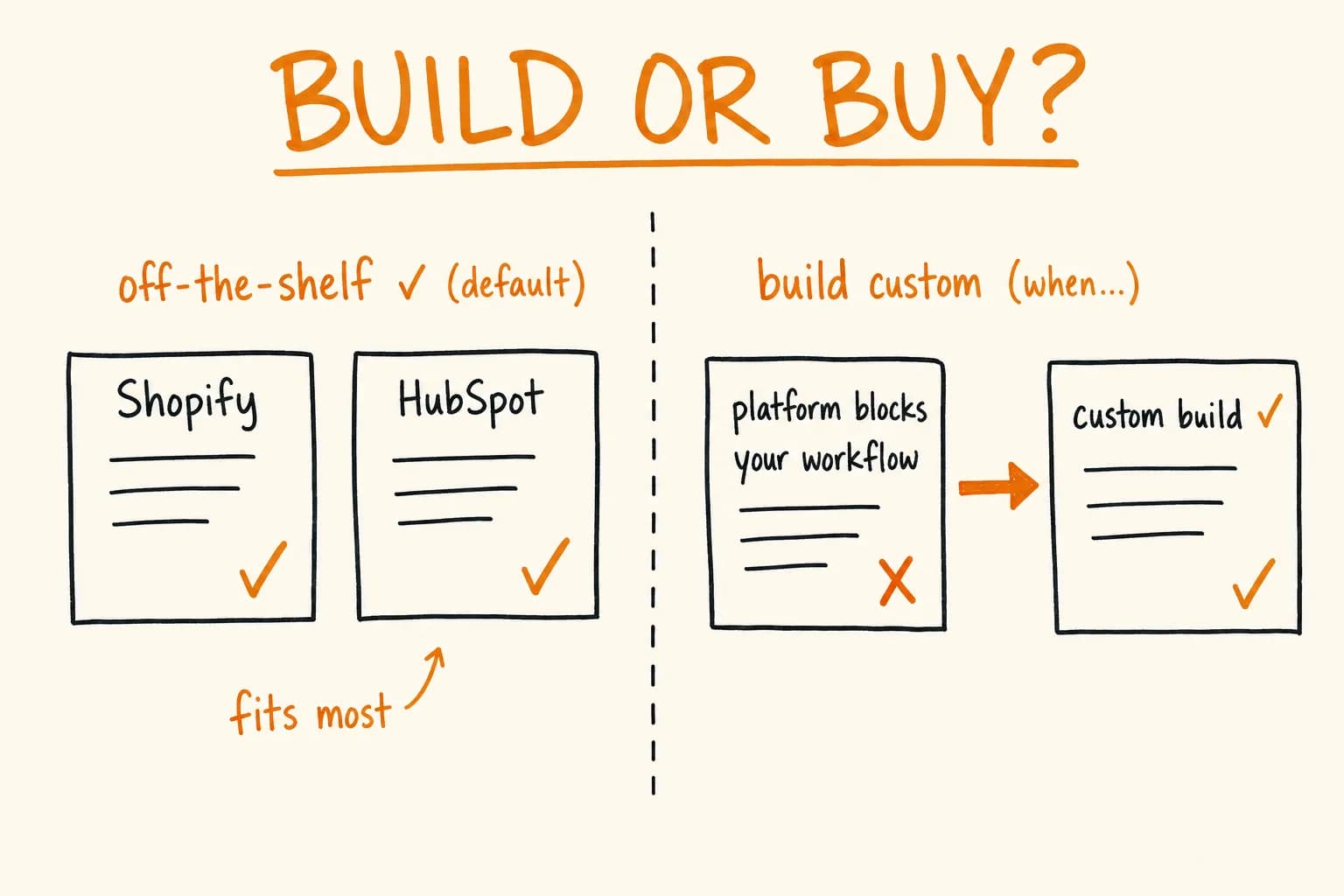
You go headless for one reason: the standard storefront can’t do something your business genuinely needs, and no plugin fixes it. Not ‘would be nice.’ Needs.
In practice, that comes down to a short list.
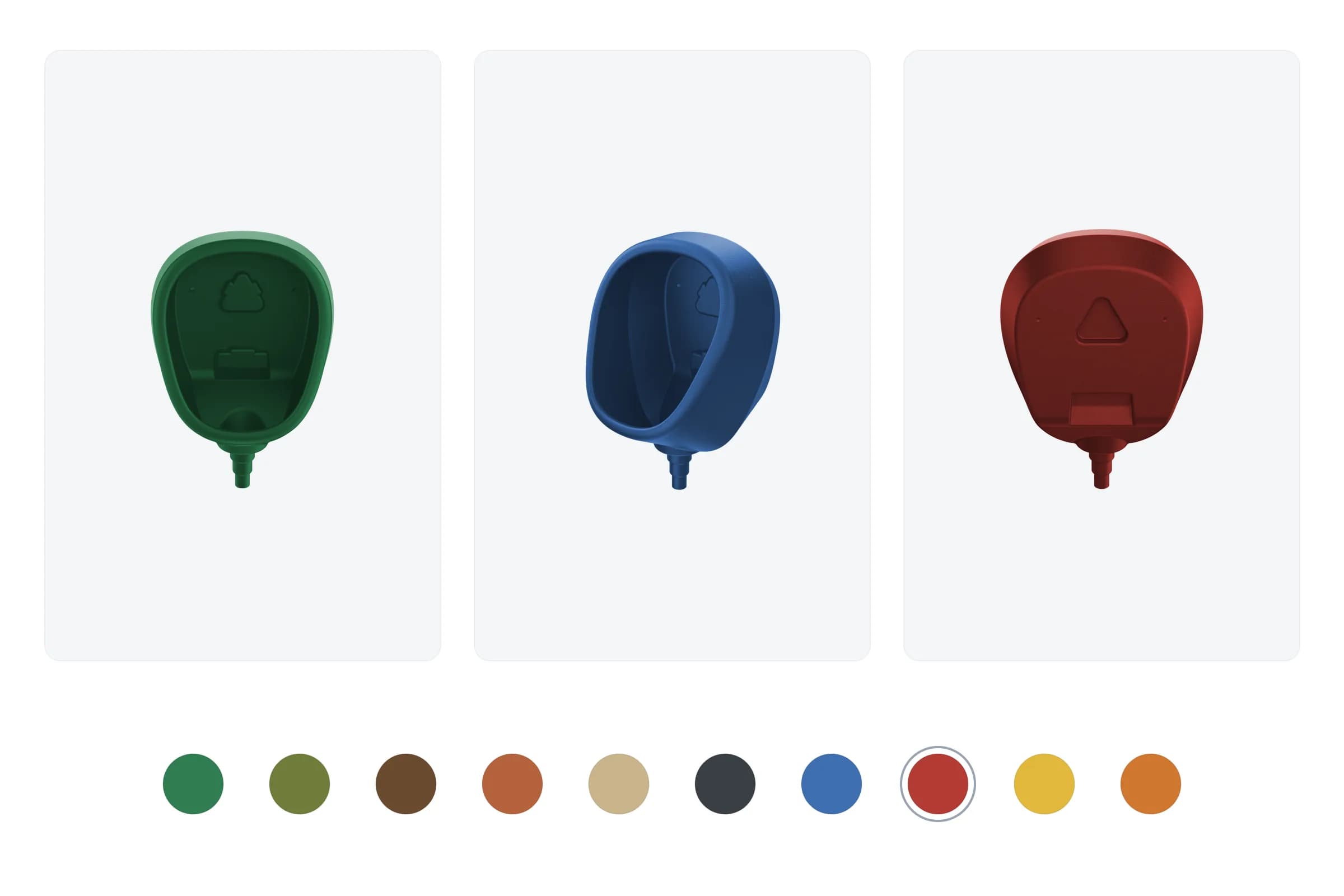
Custom product configurators. If a customer designs the product before buying – picks dimensions, materials, mounting options, and the price recalculates live as they choose – a template storefront fights you the whole way. I built exactly this for a manufacturer of made-to-measure products: a real-time configurator where the customer sets custom dimensions and sees the result and the price before ordering. Shopify was ruled out early, specifically because it couldn’t handle that. Not ‘was hard with.’ Couldn’t.
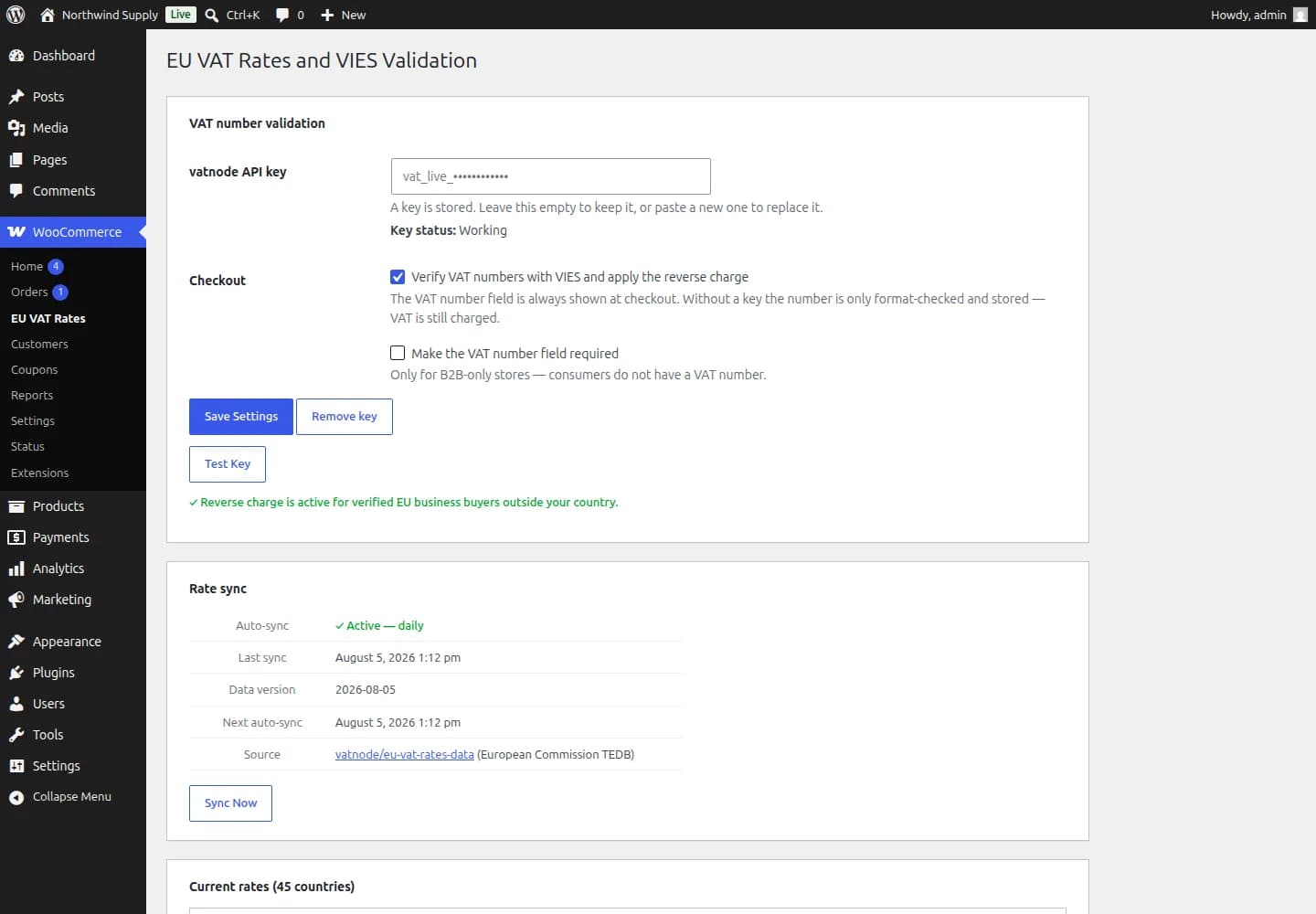
Complex pricing and VAT. Selling across Europe means a different VAT rate for every market, multiple currencies, and – for business buyers – validating a VAT number and removing tax on the invoice with the correct reverse-charge wording. Off-the-shelf platforms treat this as an edge case. For a store built for cross-border B2B, it’s the main case. I’ve built platforms where VAT correctness across 32 markets is a core part of the architecture, not something bolted on at the end.
B2B flows. Business buyers don’t shop like consumers. They expect their company VAT number validated against the EU registry, their address auto-filled from it, their local payment method available, and a compliant invoice generated automatically the moment they pay – no sales call. That’s a different checkout, not a skinned version of the consumer one.
If your business lives in one of those three worlds, the standard storefront isn’t a limitation you can configure around. It’s a wall. That’s when headless earns its keep.
What It Costs – And This Is the Part Vendors Skip
Owning the storefront means owning it forever. That’s the honest trade.
A template store is maintained by the platform. Something in the browser changes, a security patch is needed, the checkout gets an upgrade – Shopify does that for you, invisibly, as part of what you pay them. A custom storefront is yours. Every one of those updates is now your responsibility, or your developer’s. The build is a one-time cost you can see coming. The maintenance is a permanent line item that’s easy to forget when you’re excited about the launch.
So the real comparison isn’t ‘template price vs build price.’ It’s the platform’s monthly fee against the build plus the ongoing cost of keeping a custom system healthy for as long as you run the shop. If the only thing you gain is a storefront that looks a bit more bespoke, that trade is a bad one. A theme and some custom CSS get you most of the way for a fraction of the cost and none of the maintenance.
Headless only makes sense when the thing you can’t otherwise do is worth carrying that cost indefinitely.
When Shopify Is Genuinely Enough
Here’s the part most articles on this topic won’t tell you, because most are written by people who sell builds: for a large share of mid-size stores, going headless is over-engineering. You’d be paying to solve a problem you don’t have.
Stay on Shopify or an off-the-shelf platform if:
- You sell fixed products from a catalogue. No live configuration, no design-before-you-buy. A theme handles this beautifully.
- Your pricing is straightforward. One or two currencies, standard tax handling, no VAT-number validation, no reverse charge. The platform already does this.
- Your customers are consumers, not businesses. Consumer checkout is exactly what these platforms are built for – you’d be rebuilding their strongest feature worse.
- Your storefront wishlist is cosmetic. ‘I want it to look more premium’ is a design job, not an architecture one. You can get a long way with a good theme before the platform is what’s holding you back.
If that’s your store, headless doesn’t make you more money. It makes you responsible for a system you didn’t need, and it moves budget away from the things that actually grow a shop – better product photography, faster shipping, ads that work.
The tell is simple. If you can list the specific thing the platform won’t let you do – and it’s a real business requirement, not a preference – you have a candidate for headless. If you’re reaching for reasons, you have your answer already: stay put.
The Question Worth Answering First
Before anyone quotes you a build, answer one thing honestly: is the platform blocking me, or have I just not pushed it as far as it goes?
Shopify and the rest are more capable than they look. Plenty of ‘we need custom’ moments dissolve once someone who knows the platform properly configures it, adds the right app, or fixes the theme. Paying for a headless build to solve a problem a €30 app already handles is the most expensive mistake in this whole decision.
But when the requirement is real – a configurator the platform can’t render, cross-border VAT it treats as an afterthought, a B2B checkout that doesn’t exist off the shelf – no amount of configuration gets you there. That’s the line. On one side, headless is a costly answer to a question you don’t have. On the other, it’s the only architecture that lets the business work the way it actually needs to.
The skill isn’t knowing how to build headless. It’s telling those two situations apart before you spend the money – and being willing to say ‘your platform is fine, keep it’ when that’s the true answer.
If you can name the exact thing your store can’t do today, you’re most of the way to knowing whether headless is worth it. Let’s figure out which side of the line you’re on.