


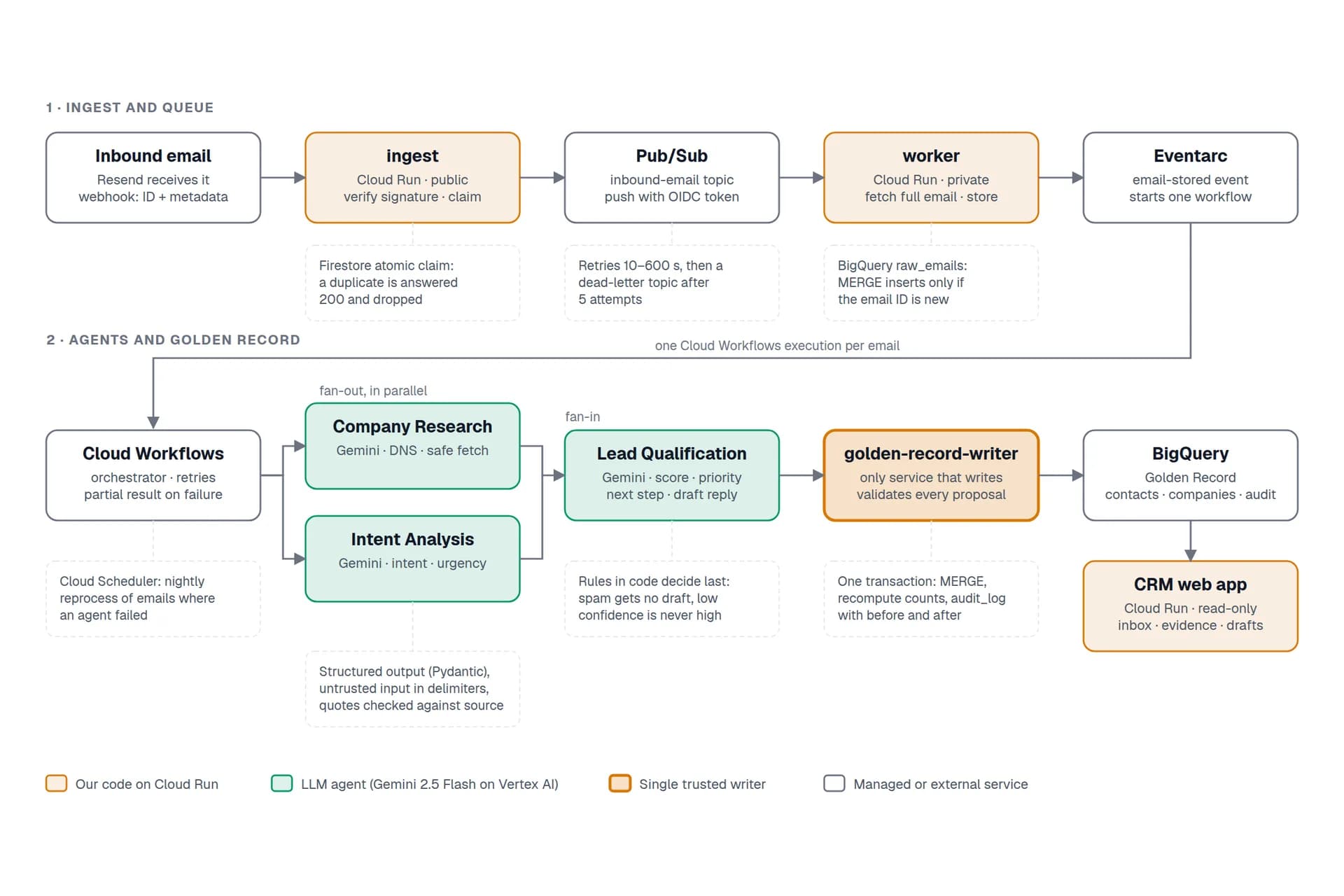
Three Gemini agents on Google Cloud research the sender, read the intent and score each inbound email. One trusted service writes the CRM data.
Independent advice for teams deciding where AI pays off, whether to build or buy, and how to keep quality and API cost under control.
Based in Finland (UTC+2) · VAT-registered FI29845875 · Respond within 24 hours
Recent client work
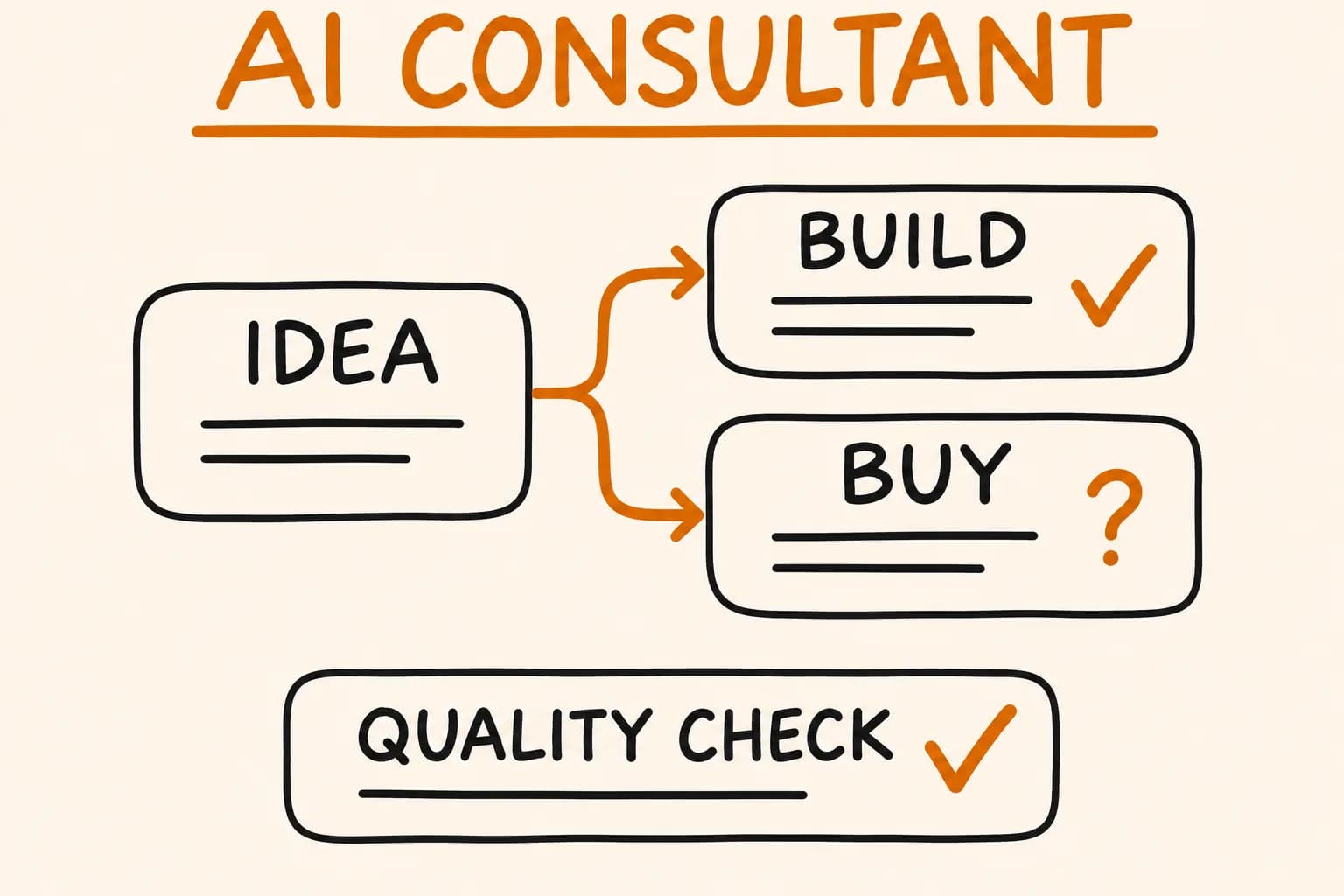
An AI consultant is worth hiring when the questions that come before the code are still open, and most AI projects stall on exactly those: which task is worth automating, whether a rule or a search box would do, what a wrong answer costs, who checks the output. I answer those as an engineer who has shipped LLM systems and has to live with the answer afterwards.
Typical questions I work through: where AI could pay off in your product or operations and where it won’t; whether to build, buy or configure an existing tool; how to measure quality with a labelled set instead of impressions; why an API bill grew (model choice, prompts repeated on every call, retries, retrieval of more context than the model uses) and what moves it; and which risks to design out, such as an assistant that can write or send when it should only suggest.
My experience is applied: RAG in production, multi-agent pipelines, cost control, MCP servers and AI-assisted engineering workflows. I don’t advise on training models or on running GPU infrastructure. If I think you shouldn’t build anything, that is the advice.
The product, the process you want to improve, what exists today and what you’ve already tried. Writing it down often changes the question.
I read your description and, where it’s part of the question, your integration, prompts and usage data. No generic checklist.
Where AI helps, where it doesn’t, what it would take, and what could go wrong. Including advice not to build.
The consultation stands alone. If you want the work built, it continues as a project; if not, you leave with a plan.
How a technical consultation worksThree Gemini agents on Google Cloud research the sender, read the intent and score each inbound email. One trusted service writes the CRM data.
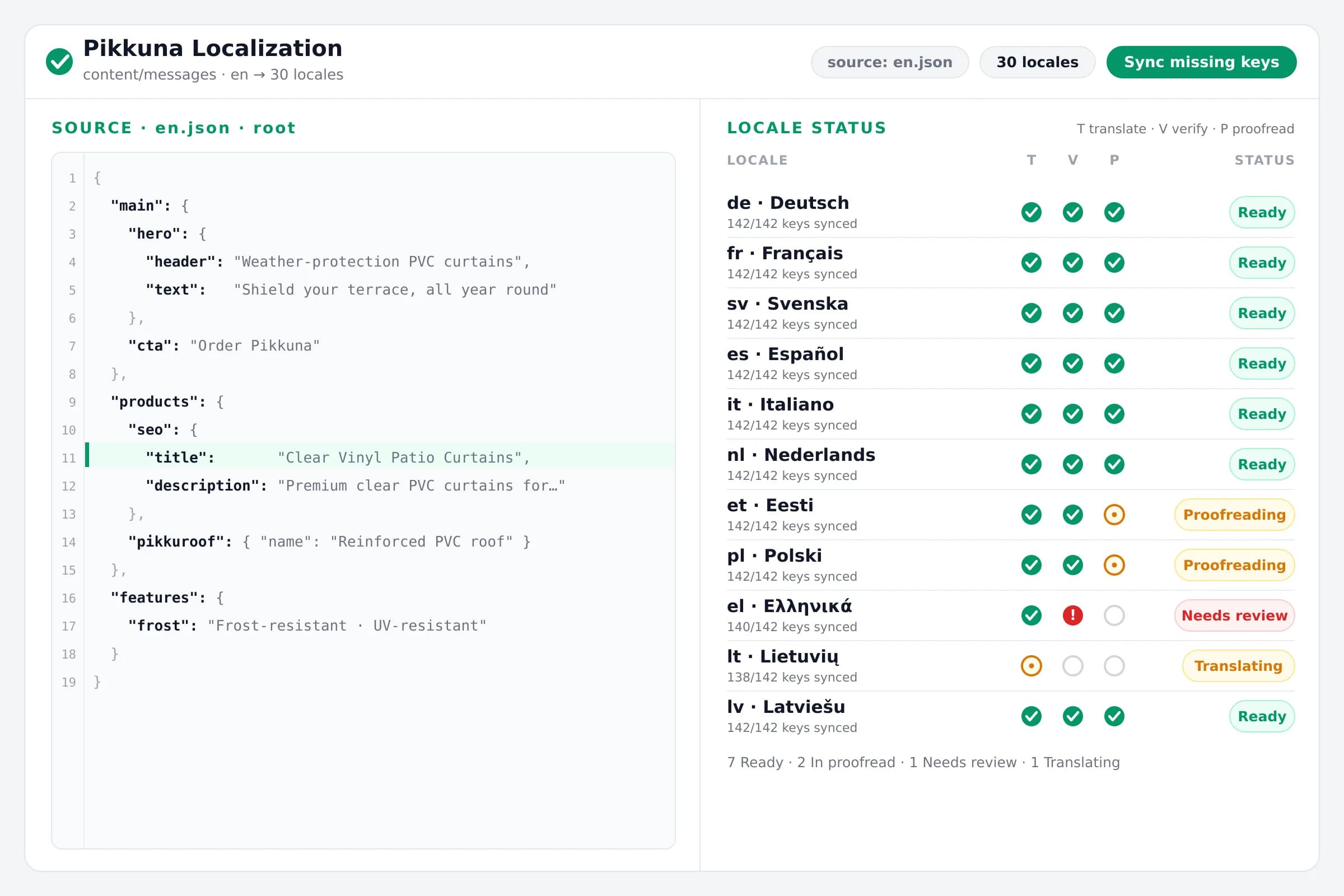
A production localization pipeline: OpenAI translates, another vendor’s model verifies, a separate AI agent proofreads, pytest guards structure.
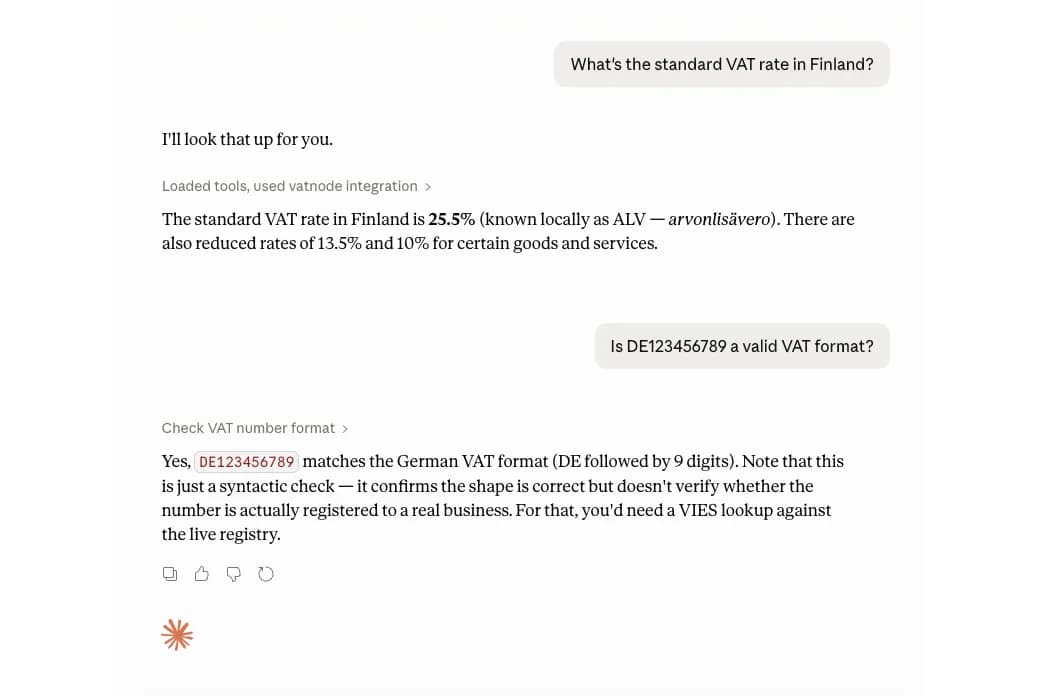
Open-source MCP server that lets Claude Desktop, Cursor and other MCP clients validate EU VAT numbers and look up rates directly in chat.
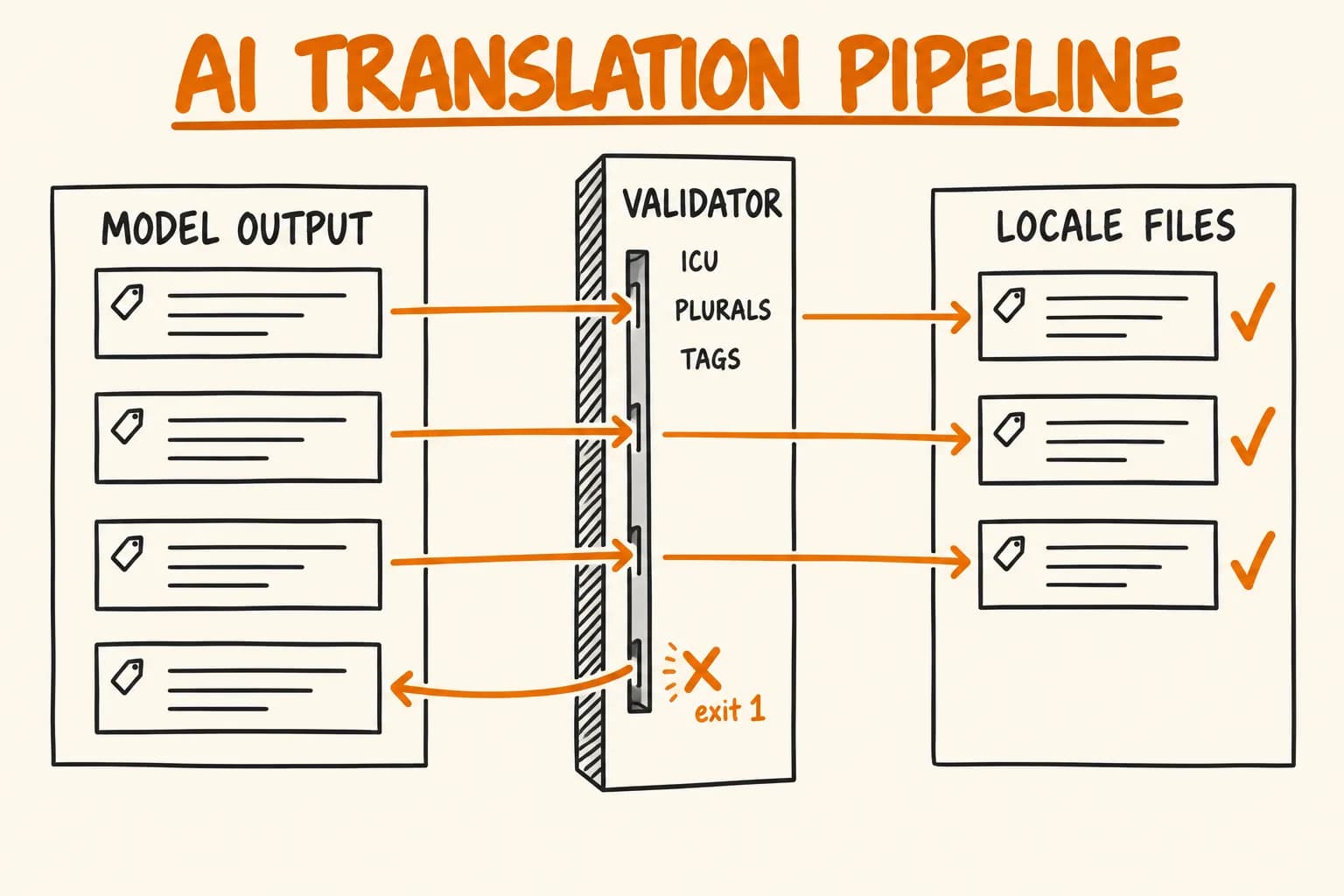
An AI translation pipeline around model calls: a missing-key diff, ICU and plural validation before every write, and a glossary checked at commit time.
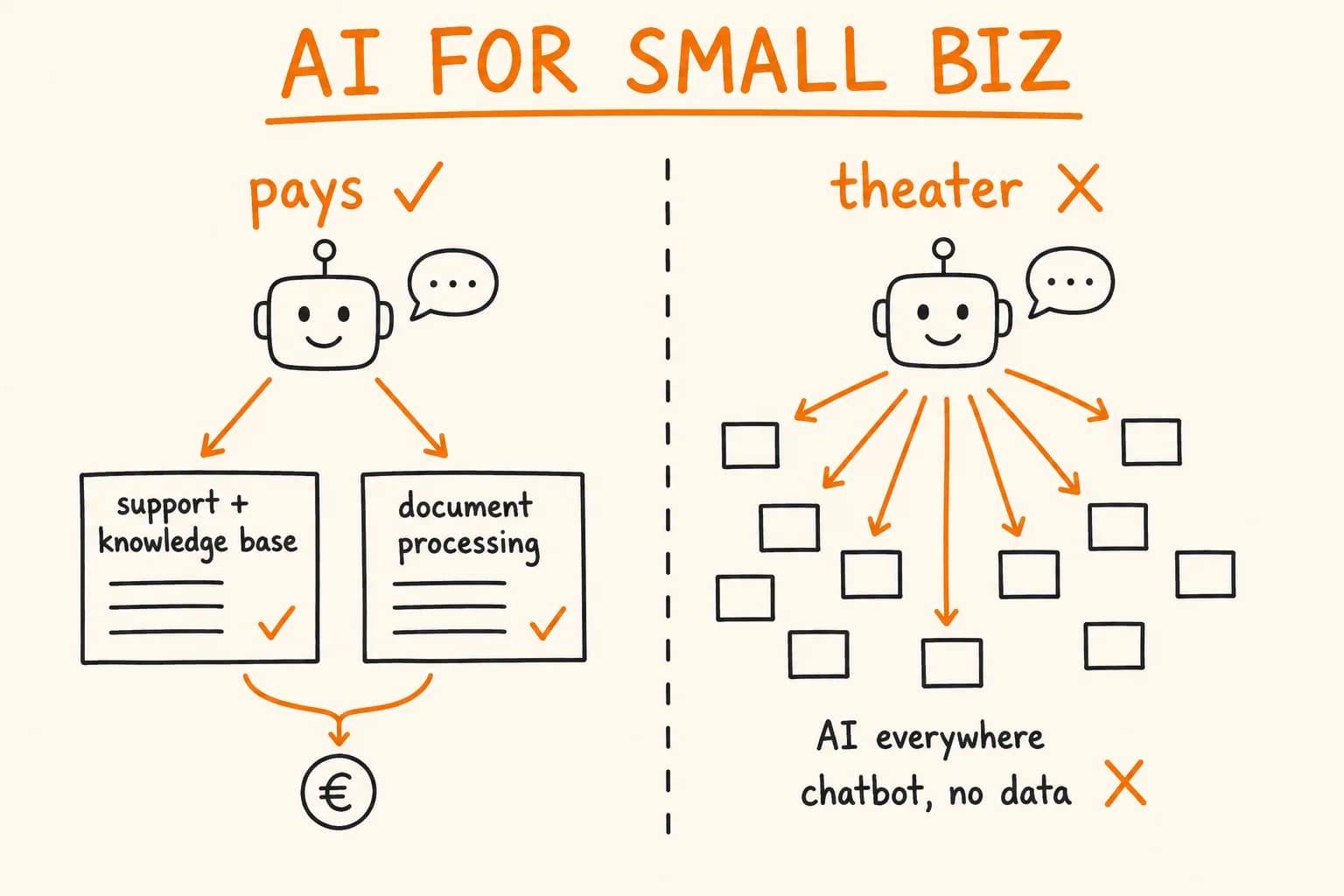
Where does AI for business automation actually save money, and where is it just hype?
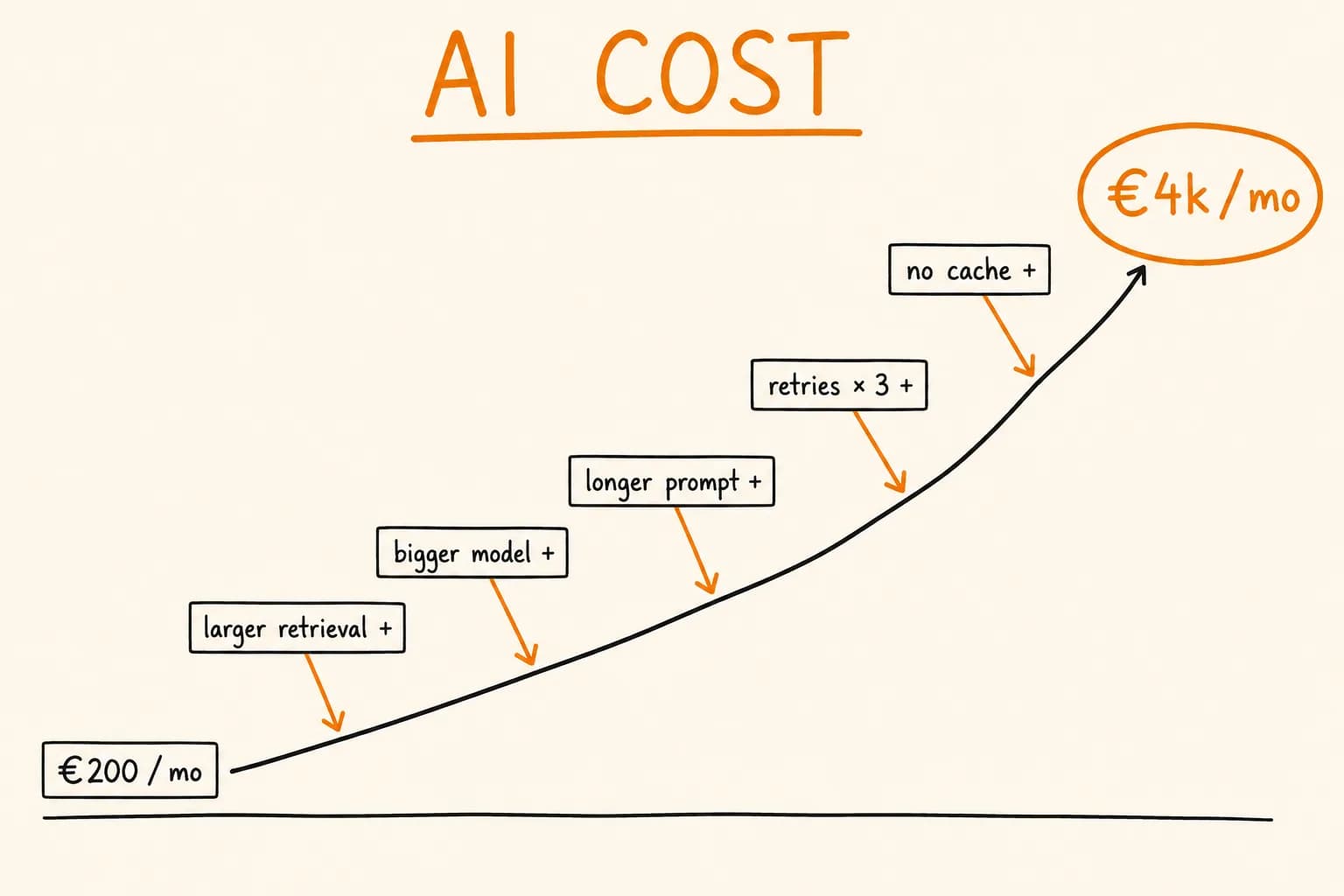
OpenAI API cost optimization: where the money goes in production, prompt caching, model routing, budget controls, and observability that shows overspend.
 Available
Ready to discuss your ai consultant project?
Tell me what you’re building or stuck with. I’ll reply within 24 hours.
