


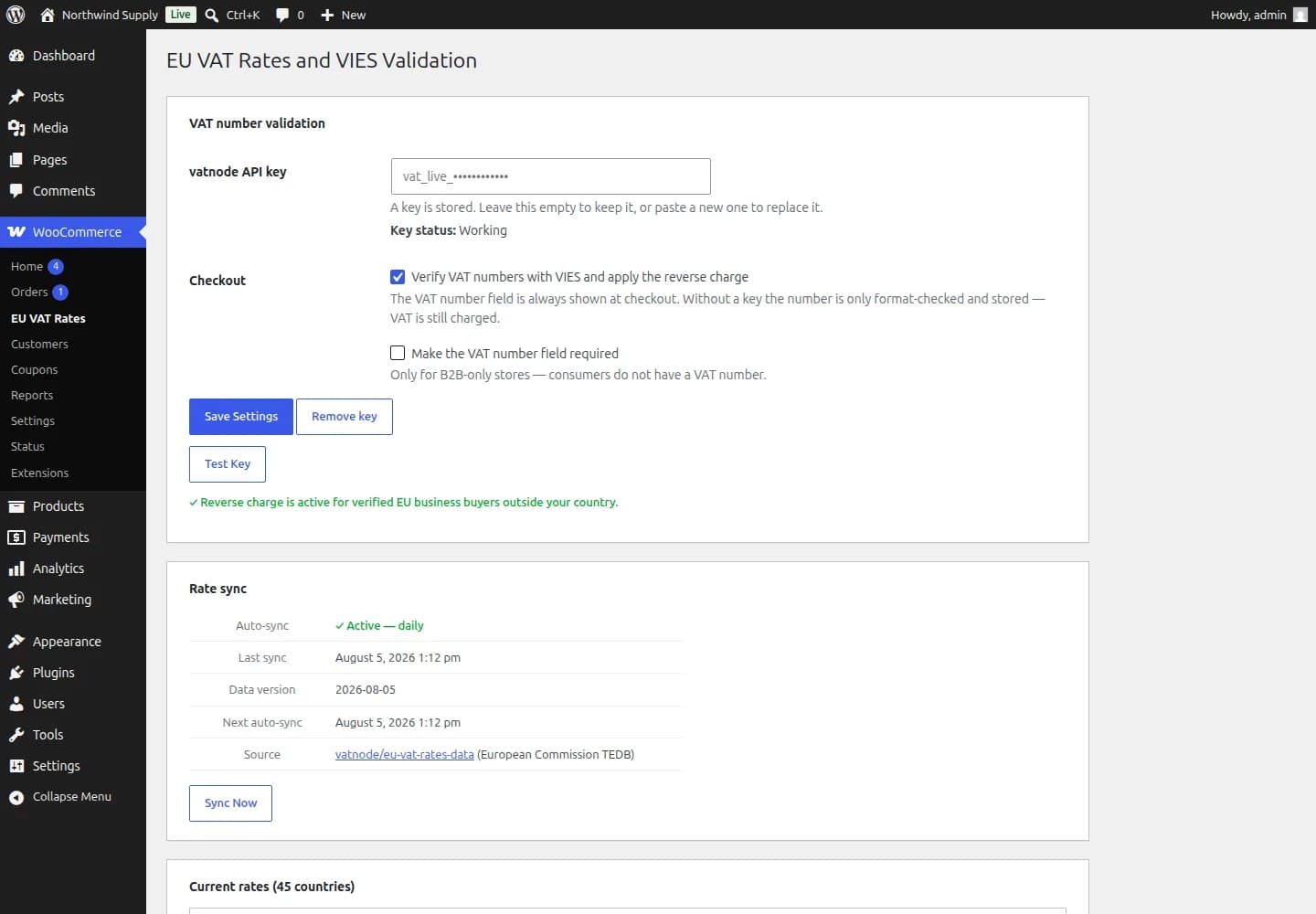
WordPress plugin that keeps WooCommerce EU tax rates current and applies the B2B reverse charge from a VIES-verified VAT number at checkout.
An independent read of your codebase by someone with no stake in it: quality, security, maintainability and risks, with a written report and a prioritised fix list.
Based in Finland (UTC+2) · VAT-registered FI29845875 · Respond within 24 hours
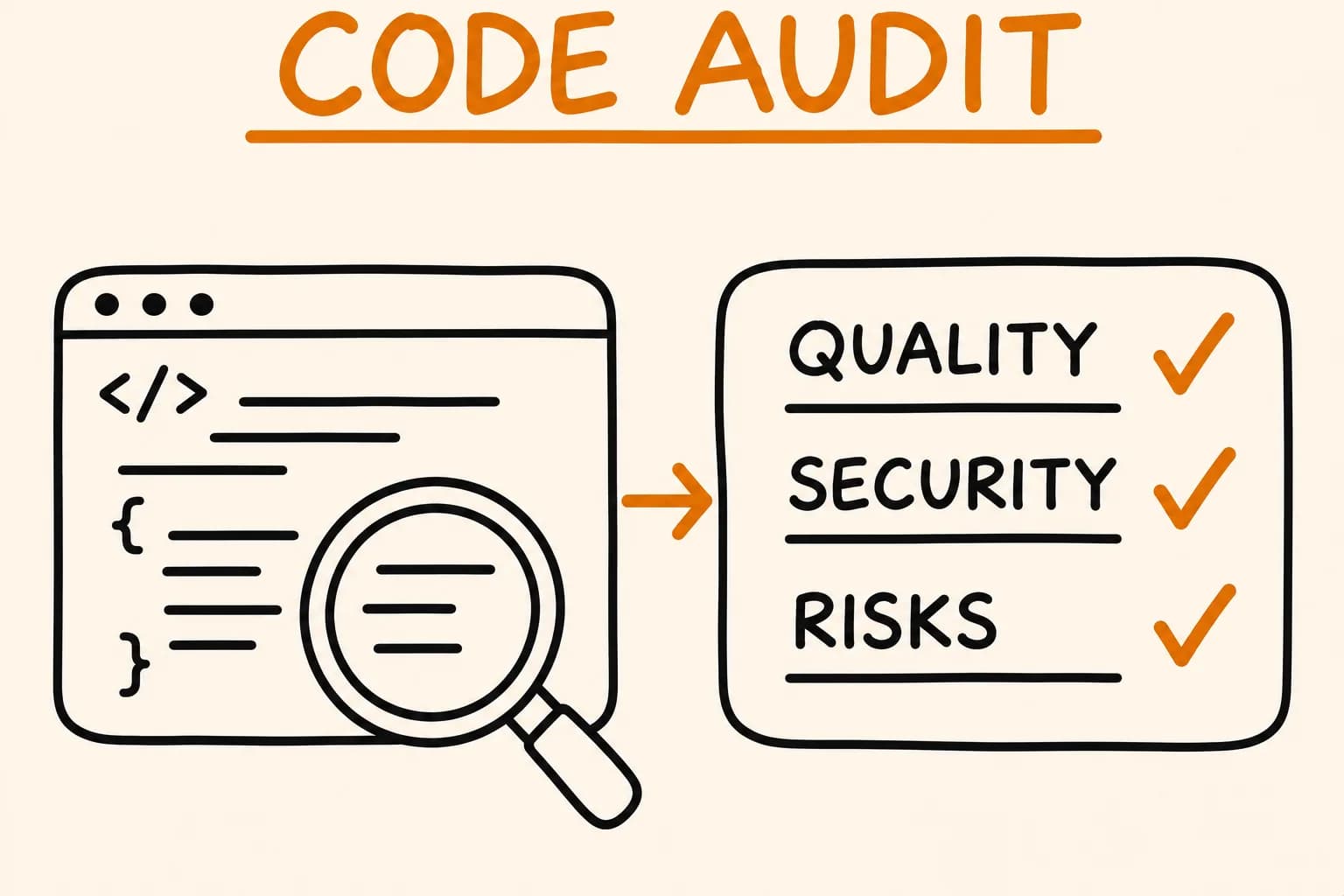
You own a codebase and you do not know how good it is. Maybe an agency built it, a freelancer left, a founder wrote it over weekends, or an AI wrote much of it. A code audit, sometimes sold as a code review service, is an independent read by someone with no stake in the answer: what is there, what is risky, and what to fix first.
I start with the landscape: whether the README matches reality, the folder structure, tests and what they actually assert, the CI pipeline, git history, dependency health and the usual red flags. Then I read the critical paths closely: authentication, the database schema against its migrations, money and tax logic, the part you describe as broken, and what happens when an external service or a background job fails. The origin of the code tells me where to look first, because agency code, a rushed MVP and an AI-assisted project drift in different ways.
The output is a document, not a meeting. This is diagnostic work: I do not write fixes during the audit, I do not run a penetration test, and I do not profile performance. Serious exposure I find goes in the report, but I will not call a code review a security audit. If you are an investor or acquirer rather than the owner, the Technical Due Diligence page is the one for you. If you want ongoing review of your team’s work, that sits inside fractional CTO engagements.
The aim is a document you can act on, and one a non-technical owner can read as well as an engineer:
I ask for read-only repository access, the production and staging URLs, hosting context, a schema dump, a list of external integrations, the incident log of the last three months, who built it, and what ‘broken’ means to you. The depth of the audit is agreed in writing first. For an investor or acquirer, the due diligence service covers the same ground from the buyer’s side.
See Technical Due DiligenceStructure, tests, pipeline, history and dependencies. I am building a map here, not forming a verdict, and I note the evidence as I go.
Authentication, schema, money paths, the reported problem and failure handling, read line by line. The state of the code around the reported problem is usually representative of the rest.
You receive the report with the ranked risks and the fix list. If the answer is to stabilise or repair specific modules, that work continues as a rescue project. If the honest answer is that I am not the right person, the report says so.
See Rescue ProjectsRead-only access only. An NDA is signed before access when you want one.
Diagnostic work: no code is written or changed during the audit. Fixes are a separate engagement.
I decline work outside my competence, and where I can I point to a specialist. I also decline when the request is a patch for a symptom that I would have to present as a structural fix.
WordPress plugin that keeps WooCommerce EU tax rates current and applies the B2B reverse charge from a VIES-verified VAT number at checkout.
A Manifest V3 Chrome extension that redirects the YouTube homepage to any URL you choose, so you skip the recommendations feed.
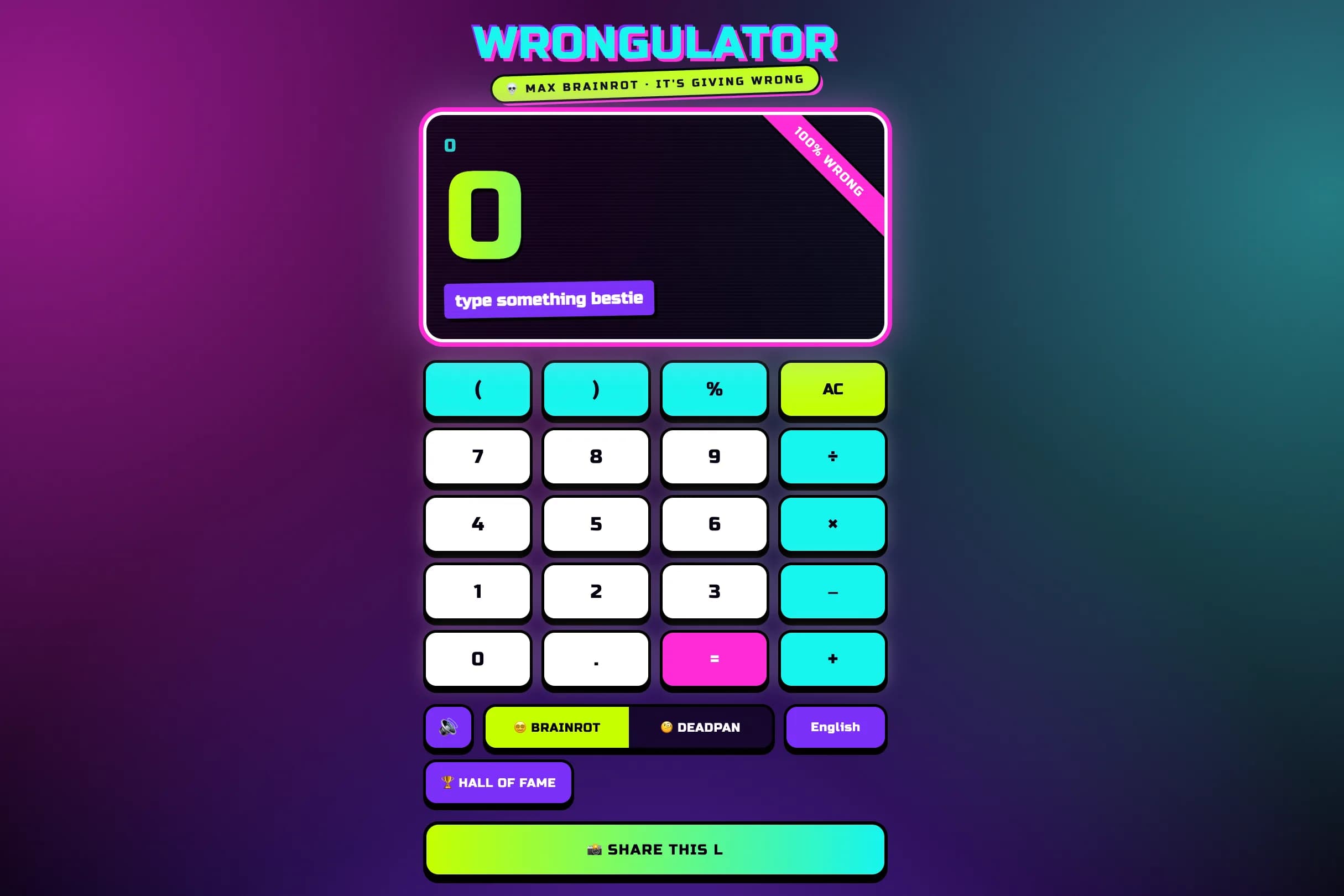
A joke calculator that returns a deterministically wrong answer with a straight-faced reason – built as a share machine.
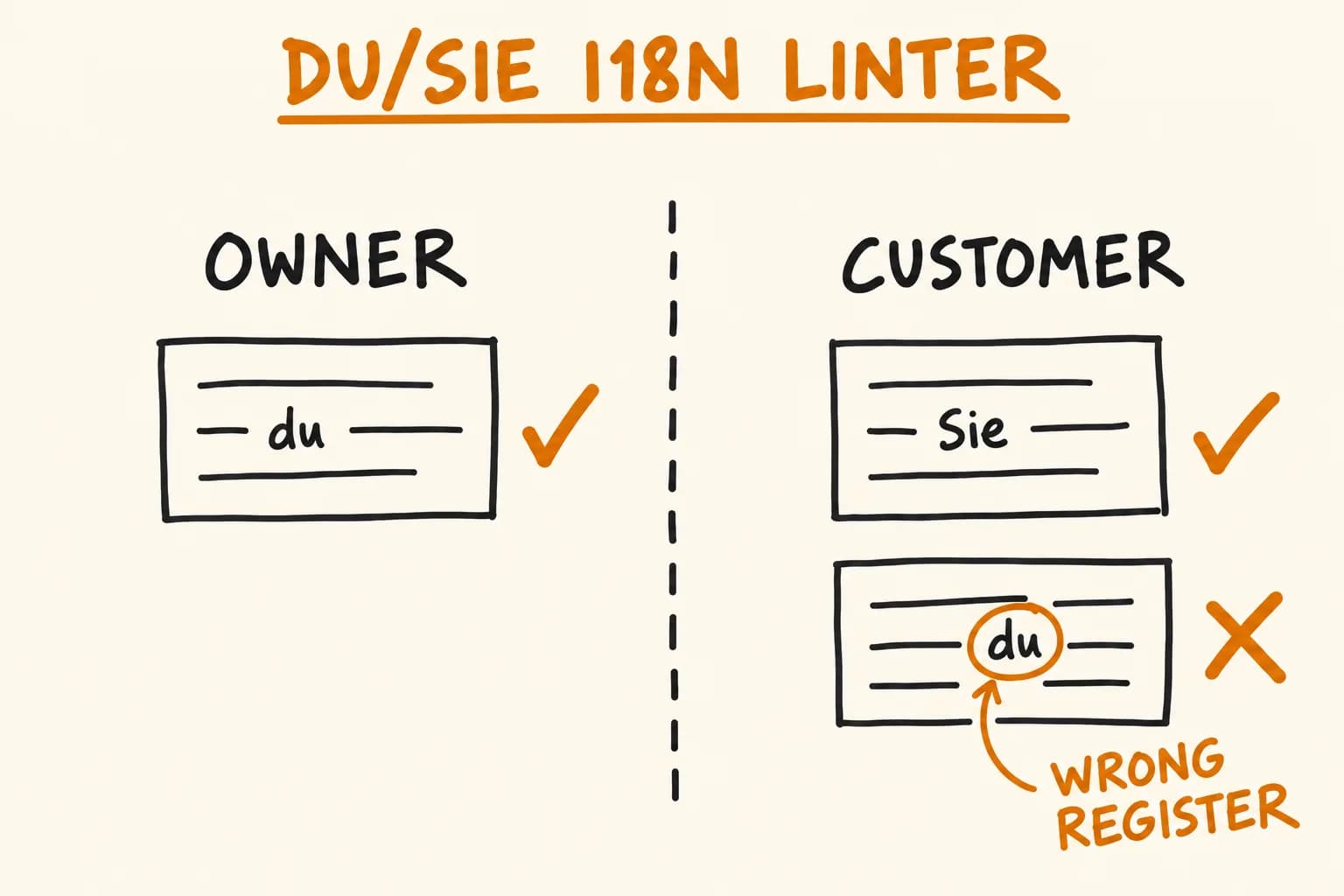
An i18n linter that checks address register per audience, not just per language, plus key order and drift across a 32-locale JSON translation set.
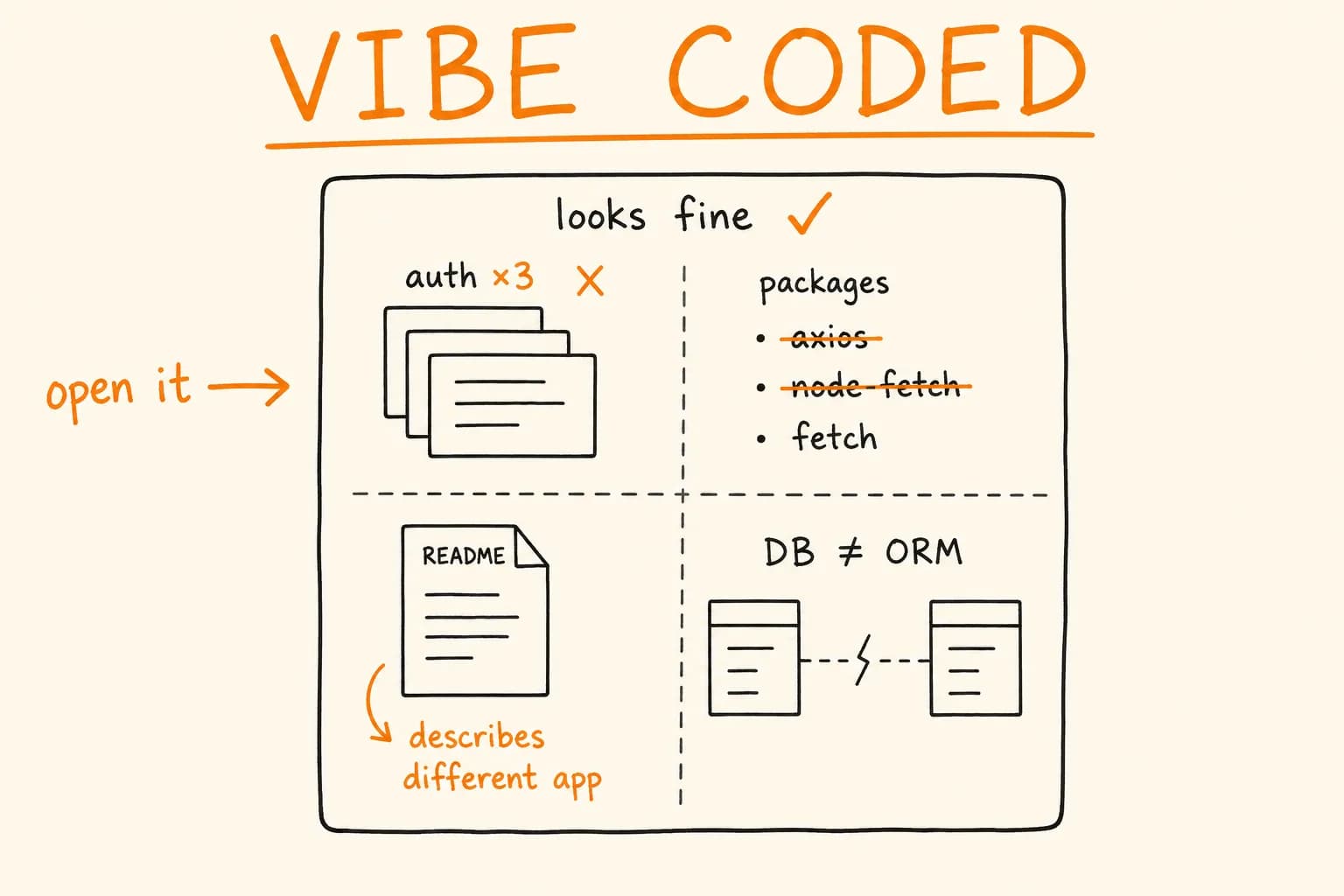
Vibe-coded codebase problems: duplicate auth flows, tests that assert nothing, unused dependencies, security shortcuts, schema drift.
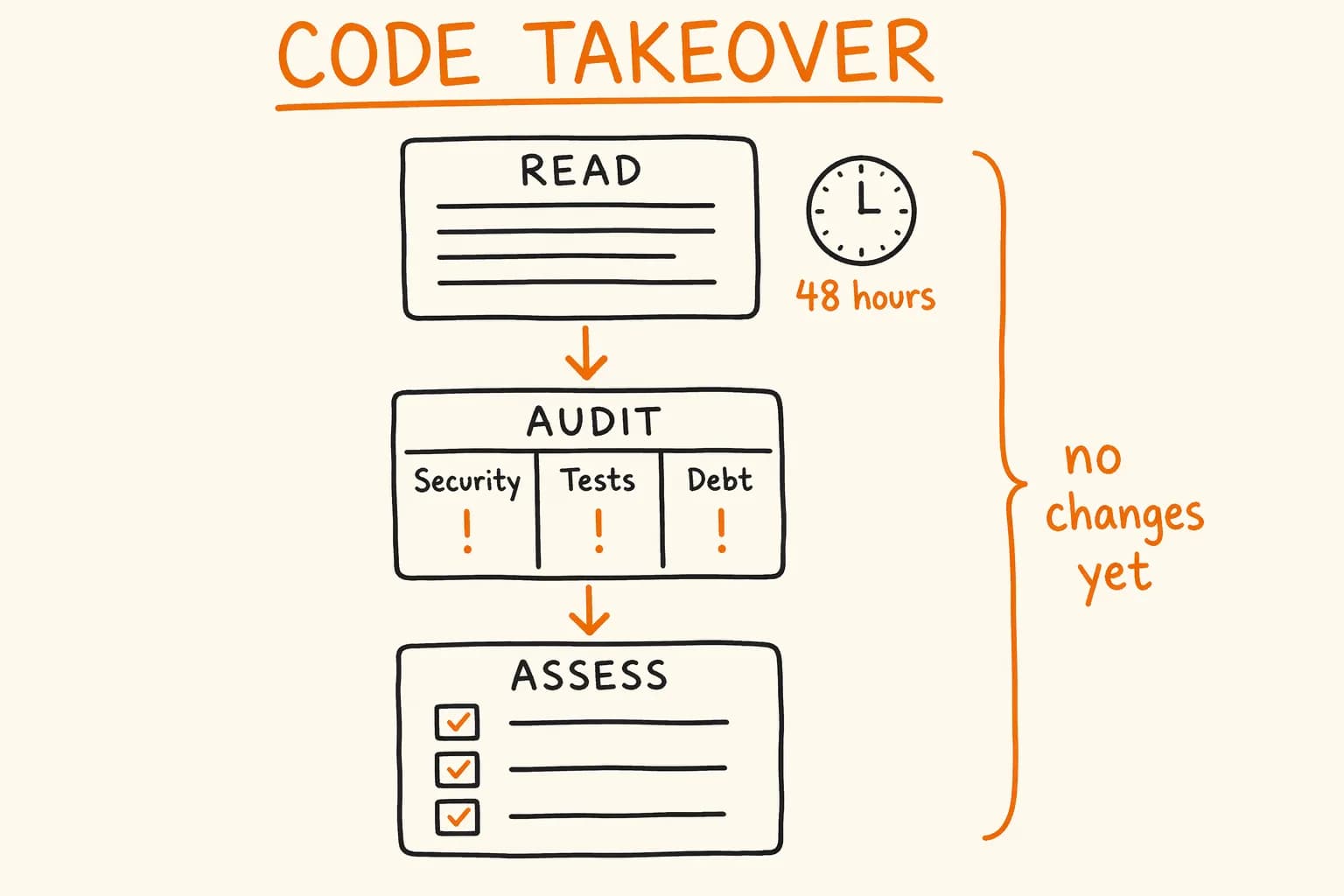
Agency codebase handover checklist: first 48 hours, security triage, architecture mapping, and how to write a takeover assessment. Practical guide.
 Available
Ready to discuss your code audit and review project?
Tell me what you’re building or stuck with. I’ll reply within 24 hours.