


Iurii RoguliaIurii Rogulia
AboutAI EngineeringServicesProjectsAI SkillsStackTestimonialsPhrasesBlog
Contact
Iurii ships.

Iurii Rogulia, Senior Agentic AI & Full-Stack Software Engineer. Professionally building software since 2001.

ChecklistsPrivacy PolicyCookie Policy
Just for fun:Think of a numberThink of a birthday

Business

TMI Iurii Rogulia
VAT ID: FI29845875
DUNS: 368664211
Lappeenranta, Finland 🇫🇮

€1,200/mo
  1. /
  2. Services
  3. /
  4. SEO/GEO
  5. /
  6. Generative Engine Optimization

Iurii Optimizes: Generative Engine Optimization

€1,200/mo

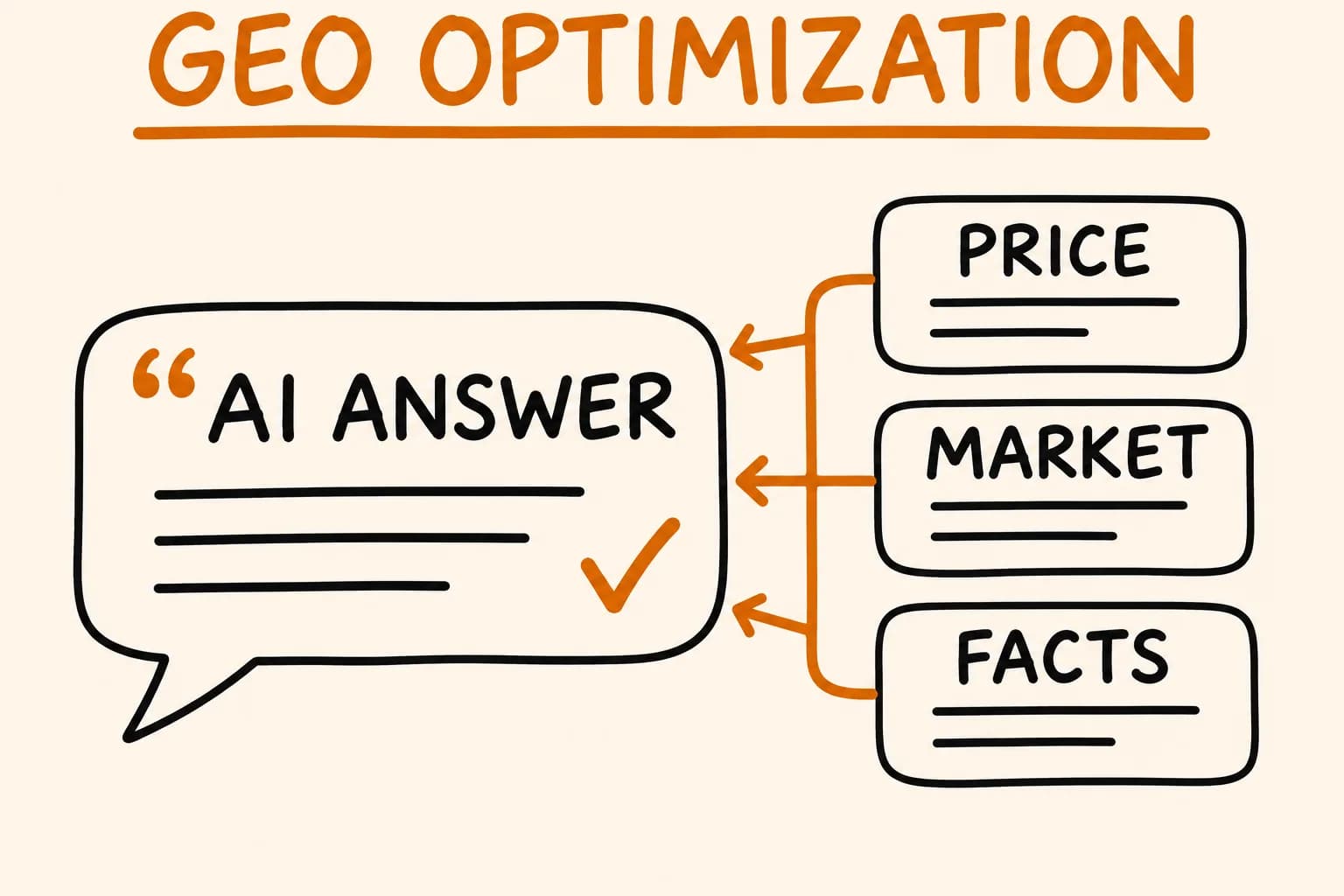
Making sure ChatGPT, Perplexity, Claude and Google’s AI Overviews can reach your pages, read them and get your facts right. Concrete, checkable work on crawler access, structured data and answer-ready content.

Based in Finland (UTC+2) · VAT-registered FI29845875 · Respond within 24 hours

Recent client work
wrongulator.comwrongulator.comeu-vat-rates-dataeu-vat-rates-datavatnode.devvatnode.devSee all projects →
Generative Engine Optimization

Generative engine optimization (GEO, also called AI search optimization or answer engine optimization) is the work of being usable by systems that answer a question instead of listing ten links: ChatGPT, Perplexity, Claude, Copilot and Google’s AI Overviews. Google itself says that optimizing for its generative features is still SEO, and for the most part I agree: the foundation is the same crawlable, readable, consistent site. Two things are genuinely new. Access is decided per bot, and measurement differs by vendor.

I work as a GEO specialist and AI SEO consultant, and GEO optimization here is concrete work. I check which AI crawlers your robots.txt, firewall and bot protection actually let through, whether your main text exists in the HTML the server sends or only after a script runs, whether your structured data says the same thing as the page, and whether your key pages state facts (what you sell, for whom, where, on what terms) in a form worth quoting. Then I change what is wrong, in the code, not in a slide deck.

What I do not do: promise a place in an AI answer. Nobody controls that, there are no keywords for ChatGPT, and tools that claim to use a vendor’s internal ranking metrics are guessing. What can be verified is whether the assistants can reach you, what they get when they do, and whether they describe your business correctly. That is what I report. GEO is not a separate strategy from SEO here; this page is the AI-answer layer of the same job.

How it gets measured without invented numbers

AI visibility is hard to measure, and a report that pretends otherwise is worth less than no report. This is what exists today and how I use it:

  • Google reports on its own generative features in the Generative AI performance report in Search Console. It covers Google only.
  • Bing has an AI Performance report in Bing Webmaster Tools that shows citations in Copilot and in Bing’s AI summaries. Microsoft states that the counts reflect citations, not ranking or placement.
  • For the other assistants I know of no first-party report. What remains is referral traffic from the assistants in your analytics and spot checks: asking the questions your buyers ask and reading what comes back.
  • Spot checks are samples, not statistics. I record the question, the date and the answer, and I will not turn five prompts into a percentage.
  • The checks that are deterministic get reported as pass or fail: crawler access per bot, text present without scripts, structured data valid and matching the page, llms.txt reachable.

What’s included

  • Crawler access review per bot – GPTBot, OAI-SearchBot, ChatGPT-User, ClaudeBot, PerplexityBot, Google-Extended – across robots.txt, firewall and CDN rules; blocked by an old default nobody remembers is the common finding, and whether to allow each bot stays your decision
  • Rendering check – whether the main text, prices and links are in the HTML the server sends, since some crawlers never run JavaScript
  • llms.txt written or reviewed against what the site actually offers; no major AI provider has confirmed reading it, so I treat it as a cheap extra, never as the fix
  • Structured data implemented in the code and kept in line with the visible text: Organization, Service, Product, Article, FAQPage, BreadcrumbList where they apply
  • Answer-ready pages – the answer first, facts stated plainly, one canonical URL per question instead of five pages competing
  • Consistency pass – price, location, coverage and terms agreeing across the page, the structured data and llms.txt, so a model has no reason to drop you for a source it trusts more
  • Measurement setup – Search Console and Bing Webmaster Tools reports, assistant referrals in analytics, and a repeatable set of spot-check questions

How I approach this

01

See what the bots see

I read your robots.txt, ask about firewall and bot-protection rules, fetch key pages without running scripts, and record what each AI crawler is allowed to get. This baseline is written down so later claims can be checked against it.

02

Fix access and rendering

Accidental blocks removed, content moved into server-rendered HTML where it hides behind scripts, canonical and sitemap problems corrected. Usually the smallest changes with the largest effect.

03

Make the facts quotable and consistent

Key pages rewritten to state the answer, structured data aligned with the page, llms.txt added or corrected. Every number and claim comes from you or from the site itself.

04

Measure and keep it right

Reports set up, spot checks recorded with dates, regressions caught after deploys. As a fixed written report this is the Technical SEO/GEO Audit; as continuing work it belongs to the monthly SEO service.

See SEO & AI Search Optimization

Relevant projects

View all projects
wrongulator.com – The Calculator That Is Confidently Incorrect
May 31, 2026
wrongulator.com – The Calculator That Is Confidently Incorrect

A joke calculator that returns a deterministically wrong answer with a straight-faced reason – built as a share machine.
eu-vat-rates-data – Free & Open-Source EU VAT Rates Dataset
February 25, 2026
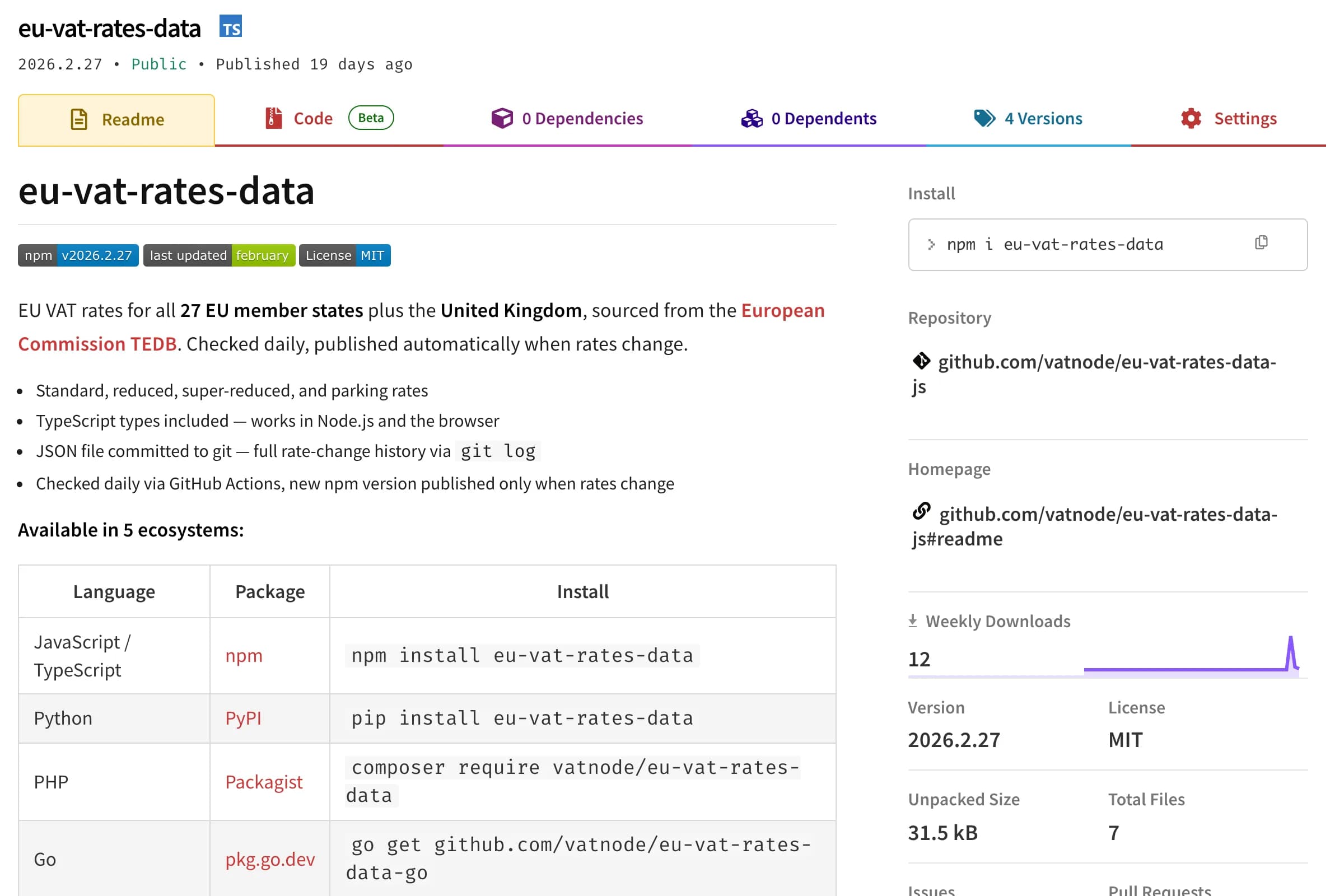
eu-vat-rates-data – Free & Open-Source EU VAT Rates Dataset

Free, open-source EU VAT rates for all 27 member states + UK. Published as native packages for npm, PyPI, Packagist, Go, and RubyGems.
vatnode.dev – EU VAT Validation API
January 19, 2026
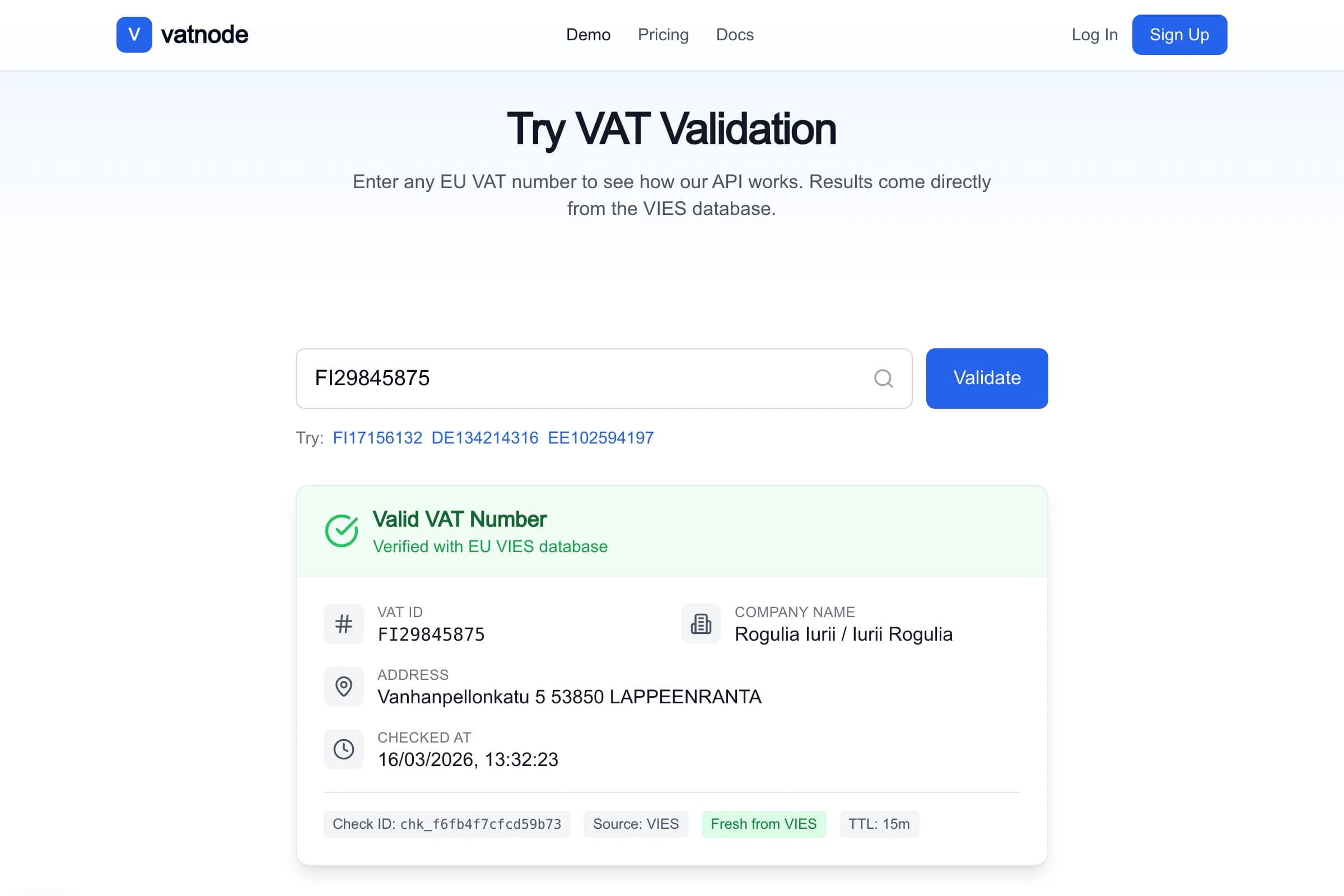
vatnode.dev – EU VAT Validation API

Developer-first SaaS API for EU VAT validation via VIES with Redis caching, change monitoring, and webhook notifications.
Related articles

View all articles
Internal Link Audit: Compute Your Own Site’s PageRank
November 27, 2026· 15 min
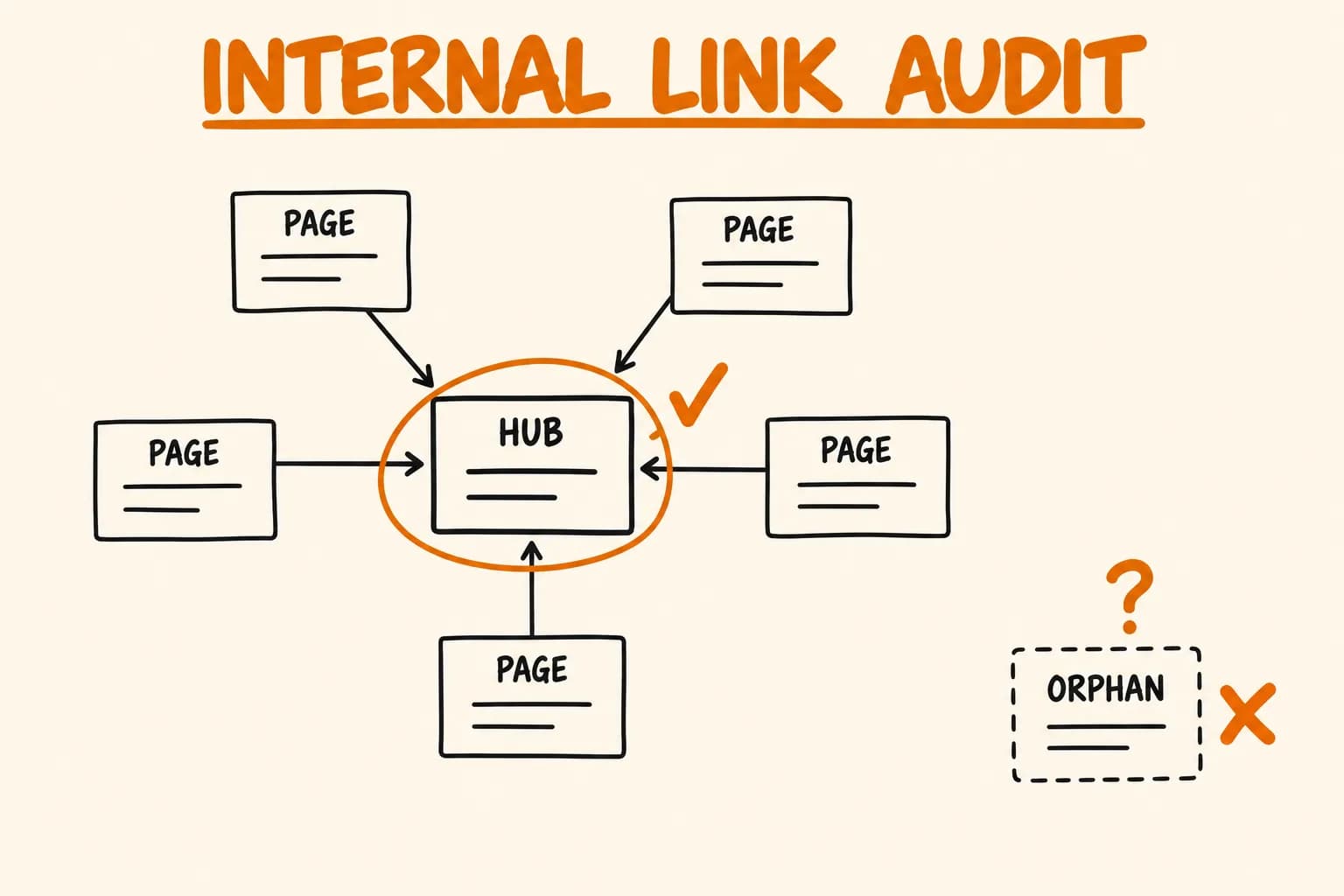
Internal Link Audit: Compute Your Own Site’s PageRank

Internal link audit with a script: crawl your site, cap nav and footer weight, compute PageRank, list orphans, buried pages and broken-link referrers.
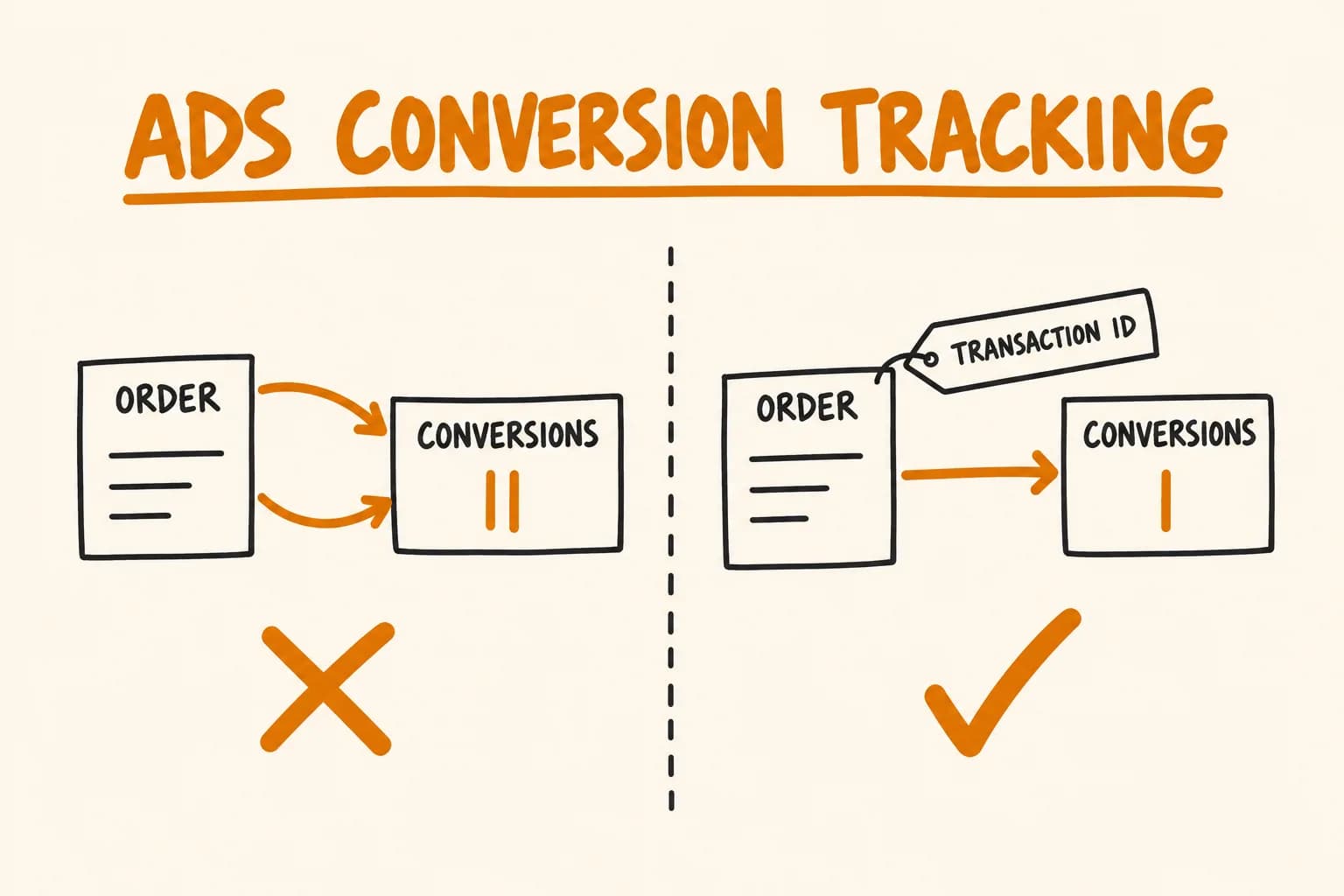
Google Ads Conversion Tracking: A 20-Minute Check
November 25, 2026· 10 min
Google Ads Conversion Tracking: A 20-Minute Check

Google Ads conversion tracking check: primary vs secondary actions, one transaction ID, value and currency, and buyers who declined consent.
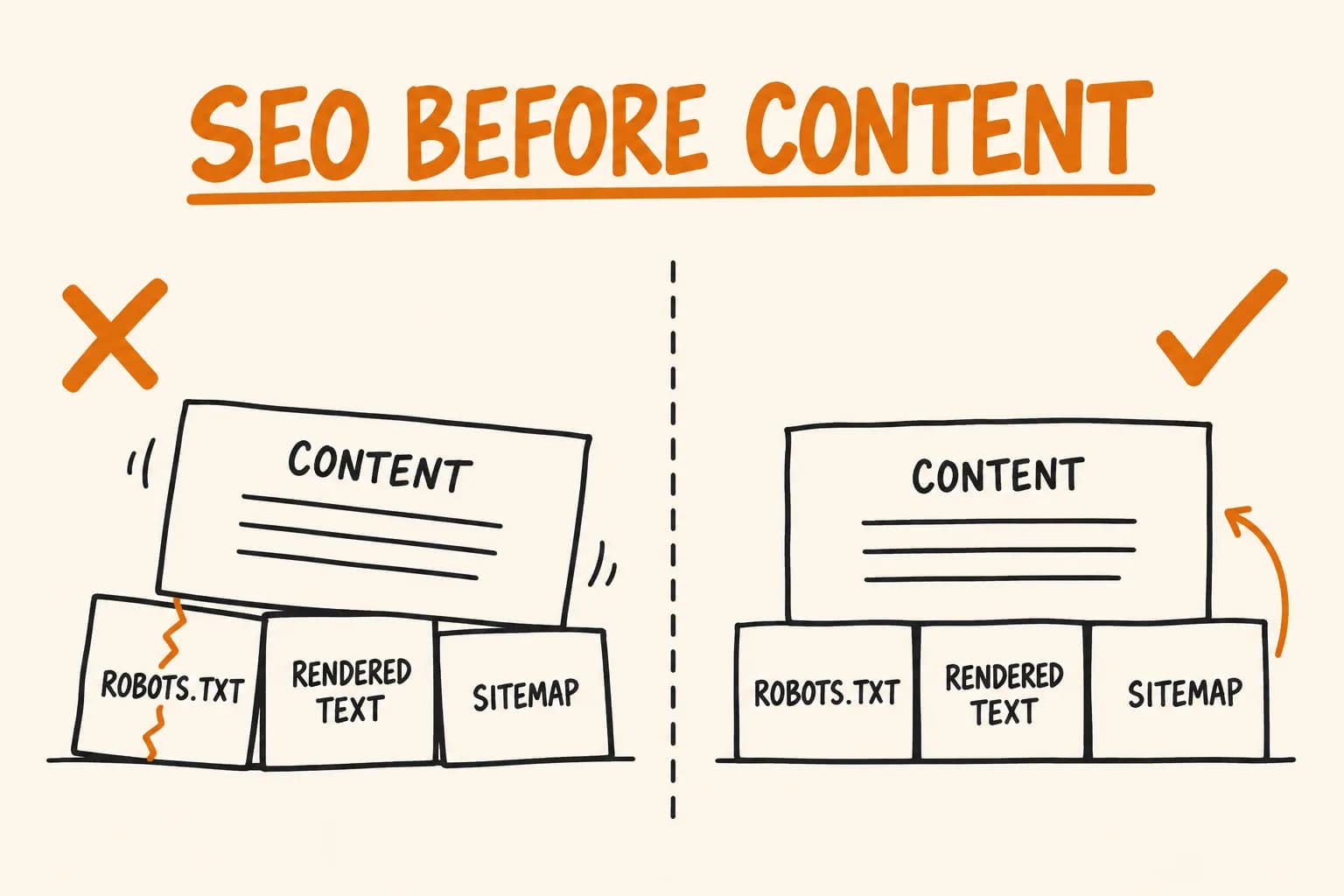
What to Fix Before an SEO Company Writes Your Content
November 23, 2026· 11 min
What to Fix Before an SEO Company Writes Your Content

Technical checks to run before an SEO company writes your content: what you can verify yourself, what broken looks like, and who fixes it.

Iurii RoguliaAvailable

Ready to discuss your generative engine optimization project?

Tell me what you’re building or stuck with. I’ll reply within 24 hours.

All services