

Iurii RoguliaIurii Rogulia
AboutServicesPricingProjectsStackReviewsPhrasesBlog
Contact
Iurii ships.

Iurii Rogulia, IT partner for business & fractional CTO. Professionally building software since 2001.

Think of a number
PricingQuality checklistPrivacy PolicyCookie Policy

Business

TMI Iurii Rogulia
VAT ID: FI29845875
DUNS: 368664211
Lappeenranta, Finland 🇫🇮

[email protected]
€750
All services

Iurii Audits: Technical SEO/GEO

€750

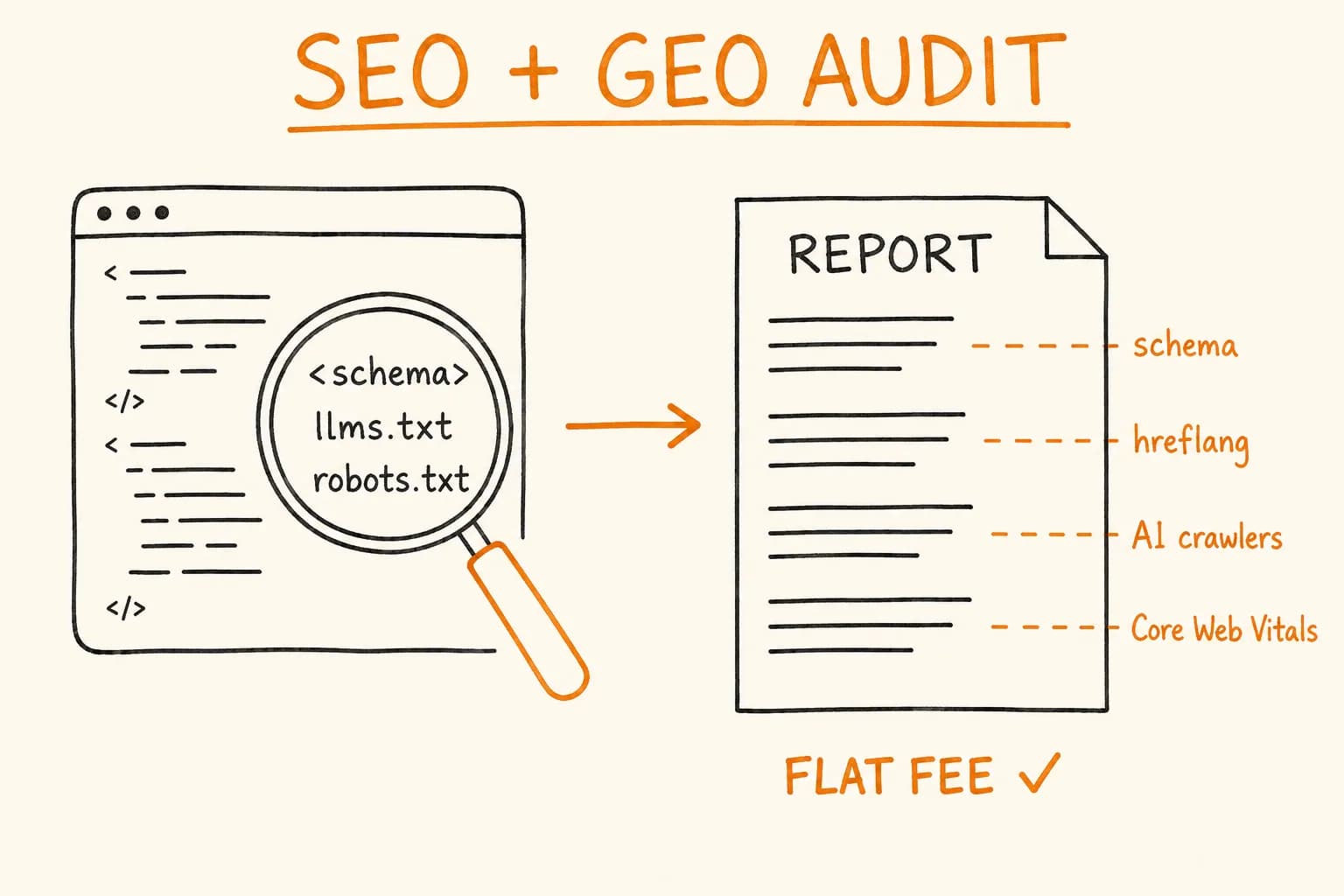
A developer's audit of why your site isn't showing up — in Google results and in AI answers. Fixed-price written report covering technical SEO, schema, indexing, AI-crawler access, and per-market keyword research.

Based in Finland (UTC+2) · VAT-registered FI29845875 · Respond within 24 hours
Recent client work

PikkunaPikkunapi-pi.eePi-Pi UrinalsHTPBE?HTPBE?See all projects →
“

We publish 20-30 news articles per day and indexing latency was killing us — by the time Google crawled a story, the news cycle had moved on. Iurii's audit covered IndexNow setup, a sitemap that was hitting size limits and dropping URLs silently, and canonical tags that were inconsistent between AMP and non-AMP versions. The IndexNow integration alone moved median time-to-index for Bing from days to under an hour. Report was direct, no fluff, exactly what we needed.

Andrei Popescu 🇷🇴

Engineering Manager

Topics

SEOIndexNowArchitecturePerformance
Technical SEO/GEO Audit

Most SEO audits are run by marketers who can't read the code, or by tools that spit out a generic 300-page PDF. Neither tells you what's actually broken under the hood — and for technical sites, the technical layer is where the real losses are.

This is a developer's audit: I read your codebase, your rendered HTML, your sitemap, your structured data, and your Search Console — and I tell you exactly what's wrong, why it matters, and what to fix first. The deliverable is a written report. No call, no upsell, no monthly retainer.

Search is no longer only Google. A growing share of buyers now ask ChatGPT, Perplexity, or Google's AI Overviews instead of scrolling a results page — and those systems read your site through a different lens: what their crawlers are allowed to fetch, whether your pages answer a question in a form worth quoting, and whether the facts they need are machine-readable. That layer is what GEO (generative engine optimization) covers, and it's part of this audit, not a separate product.

I run technical SEO on my own site by default — schema.org, structured data, server-side analytics, llms.txt, IndexNow, automated broken-link scans. This audit applies that same checklist to your codebase, and tells you in writing what's missing.

What GEO is, in plain terms

GEO — generative engine optimization — is the work of being visible when someone asks ChatGPT, Perplexity, Claude, or Google's AI Overviews instead of typing a query and scrolling results. It is not a rebrand of SEO and it is not a growth-hack package. It is a specific technical layer, it is checkable, and most sites fail it by accident rather than by decision. Here is what it actually consists of:

  • Two different machines read you. One is a crawler (GPTBot, ClaudeBot, PerplexityBot, Google-Extended) collecting pages ahead of time. The other fetches pages live, while the user waits for an answer. They have different rules, and your site can pass one and fail the other.
  • An AI answer has no page two. A results page gives ten links and the user picks; an assistant names one or two sources and summarises them. Either your page is the thing being summarised, or your competitor's is. That is the whole shift in a sentence.
  • The most common finding is an accidental block. A default robots.txt, a WAF rule, or a bot-protection toggle nobody remembers enabling — and the assistants simply cannot read you. Fixing this is usually a two-line change with an outsized effect.
  • AI crawlers are not Googlebot. They generally do not execute JavaScript and wait for hydration. If your content only exists after the client-side render, they see an empty shell — the same failure mode SSR solved for search, showing up again.
  • Assistants quote statements, not vibes. A page that says "pricing on request" gives the model nothing to repeat. A page that states the price, the market, the delivery time and who it's for gives it something quotable — and that is what ends up in the answer.
  • Facts have to agree with each other. Your page, your structured data, and your llms.txt should say the same thing about price, location, and what you sell. When they contradict, the model drops you and cites a source it trusts more.
  • What GEO is not: there are no keywords for ChatGPT, no ranking positions to report, and nobody can promise you a spot in an answer. What can be measured is whether AI crawlers reach you, what they get when they do, and whether the assistants describe your business correctly. That's what the report covers — no invented metrics.

What's included

  • Per-market and per-language keyword research — actual search demand in the countries and languages your site targets, not a generic English list
  • Broken-link scan with Linkinator — every internal and external link checked; broken links cost crawl budget and tank user trust
  • Schema.org audit and recommendations — what structured data is missing, what's malformed, what should be added (Organization, Service, Article, BreadcrumbList, AggregateRating, FAQPage where relevant)
  • AI-crawler access review — whether GPTBot, ClaudeBot, PerplexityBot and Google-Extended can actually reach your content, and whether that matches what you want; blocked by accident is the most common finding
  • llms.txt review — the emerging standard for telling LLMs what your site is about, checked against what your site actually offers and charges
  • Answer-ready content check — whether your key pages state facts (prices, coverage, terms, who you serve) in a form an AI assistant can quote instead of paraphrasing a competitor
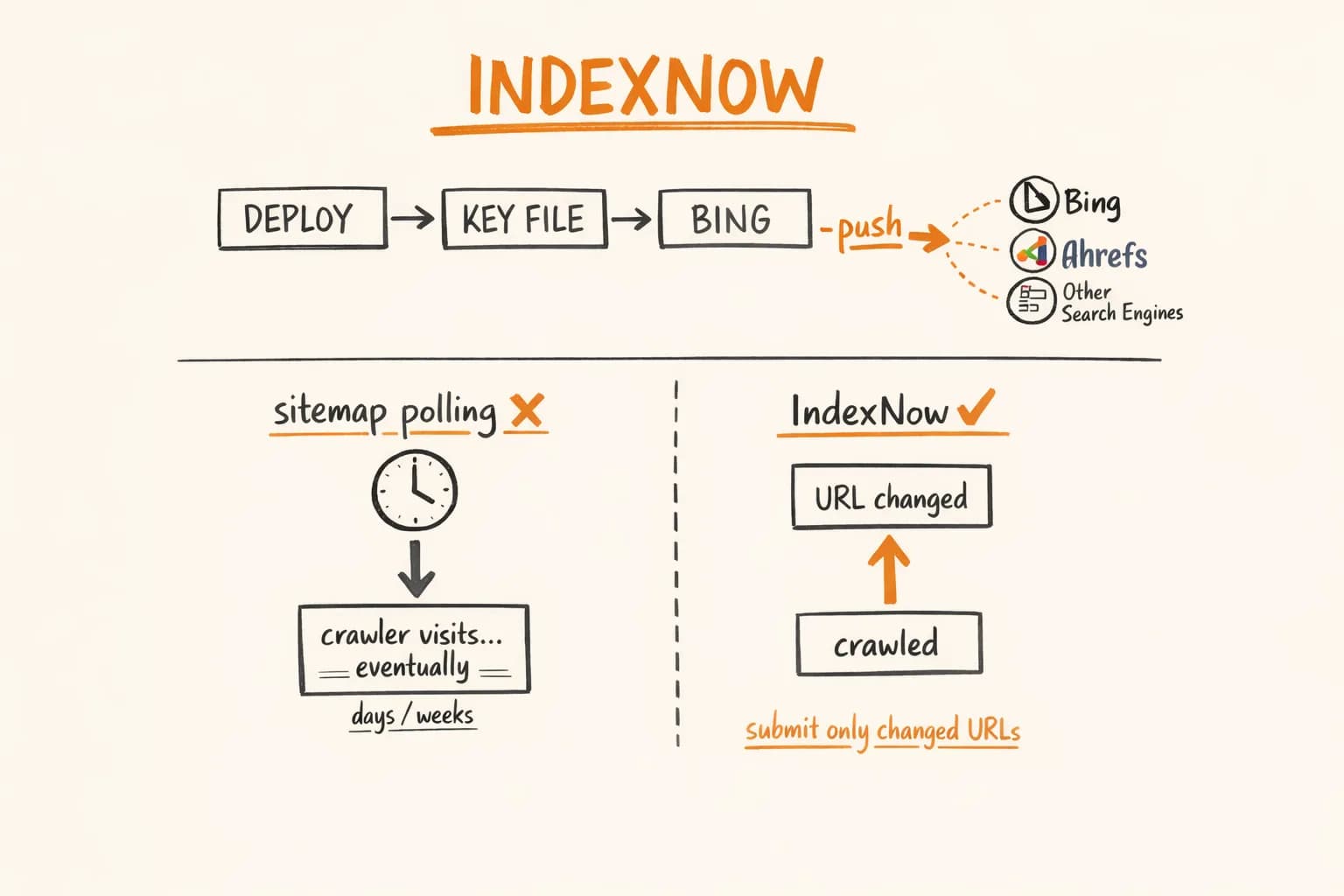
  • IndexNow setup check — instant indexing protocol used by Bing and Yandex; pings search engines the moment content changes instead of waiting for the next crawl
  • OG image recommendations — what's missing, what's wrong, how to make link previews work properly across LinkedIn, X, Slack, iMessage
  • Core technical SEO: crawlability, robots.txt, sitemap.xml, canonical tags, hreflang for multi-market sites, Core Web Vitals, indexability issues from Search Console
  • Written report (PDF or Notion) — prioritised findings, severity, and exactly what to change. No filler.

How I approach this

01

Access and scope

You share read-only access to Search Console, GA4 (if any), and the repo or staging environment. I confirm scope and target markets in writing.

02

Audit (3–5 working days)

I run the technical checks, do the per-market keyword research, validate schema, scan for broken links, review the rendered HTML, and check what AI crawlers see and are allowed to fetch. Evidence is documented as I go.

03

Written report

You receive a structured report: critical issues first, then quick wins, then strategic recommendations. Each finding includes the evidence, the impact, and the fix.

04

Implementation referral (optional)

If you want the fixes implemented and ongoing SEO managed, I can recommend a vetted team and stay involved as technical coordinator — making sure their work matches the audit and the code stays clean. Separate engagement, no commission, no kickback.

Terms & conditions

Fixed price €750, paid upfront. Delivered as a written report within 5 working days of access being granted.

No video call included. If you want a walk-through, book a Technical Consultation (€125) separately.

Scope is one site / one codebase. Multi-domain or multi-app audits are quoted separately.

Relevant projects

View all projects
Pikkuna — E-commerce for Vinyl Curtains & PVC Products
October 12, 2024
Pikkuna — E-commerce for Vinyl Curtains & PVC Products

International e-commerce platform with 30 locales, product configurators, AI chatbot, and fully automated order flow: Stripe → Zoho CRM → Airtable → Mailgun →

vatnode — EU VAT Validation API
January 19, 2026
vatnode — EU VAT Validation API

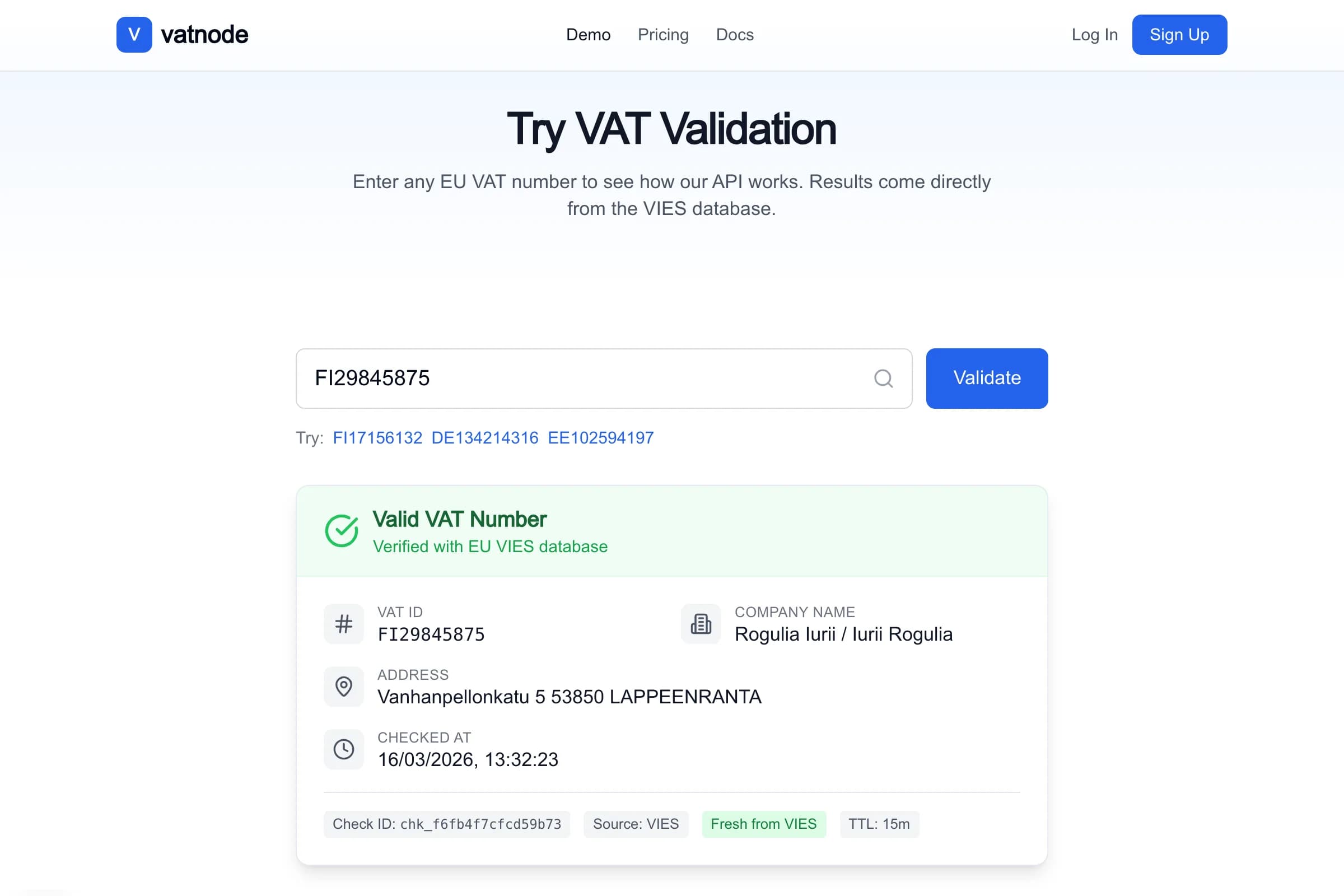
Developer-first SaaS API for EU VAT validation via VIES with Redis caching, change monitoring, and webhook notifications.
Related articles

View all articles
IndexNow in Next.js: Instant Indexing After Every Deploy
April 14, 2026· 18 min
IndexNow in Next.js: Instant Indexing After Every Deploy

IndexNow implementation guide for Next.js: key generation, TypeScript client with retry logic, GitHub Actions workflow, and pitfalls that break submissions
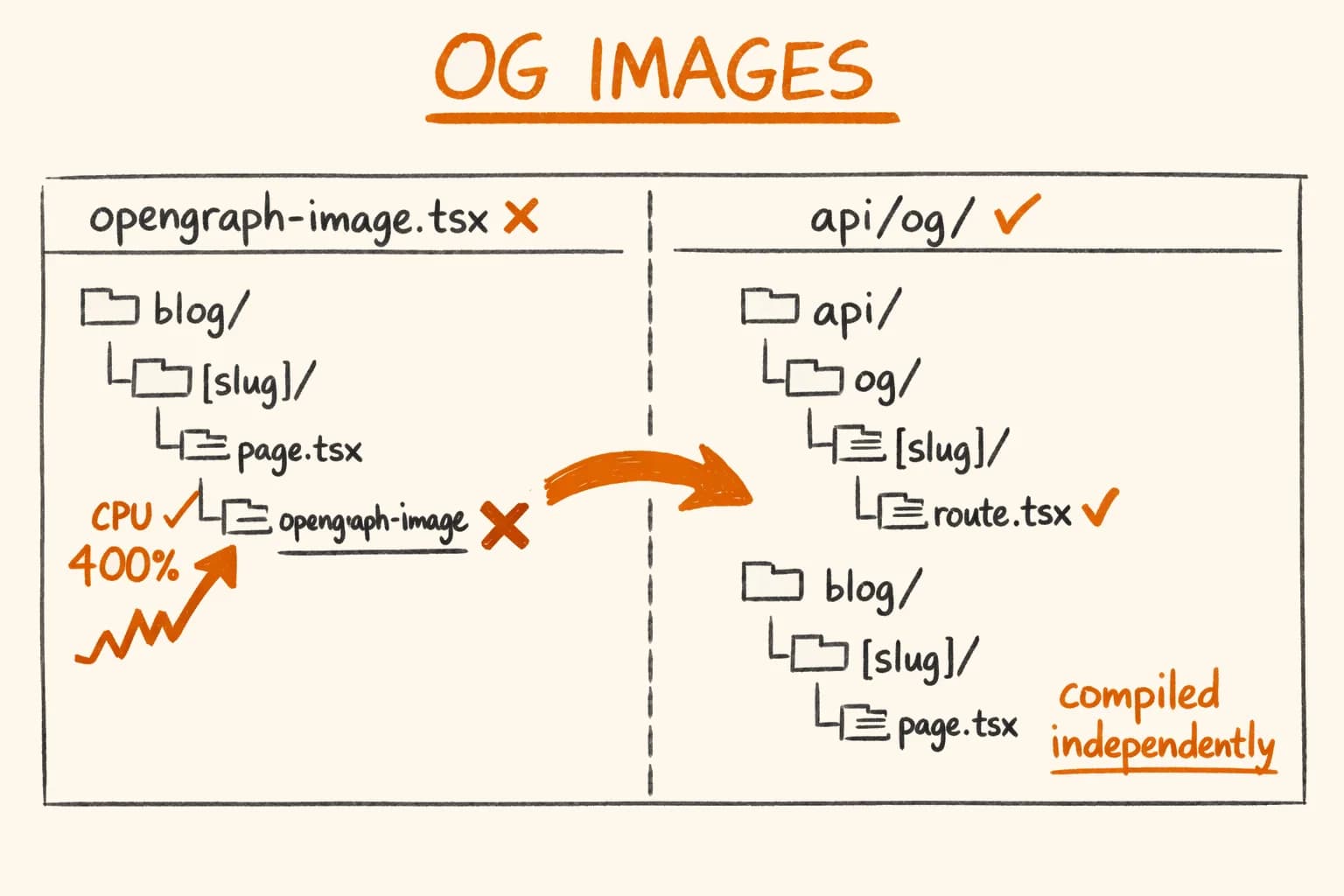
Next.js Dynamic OG Images: Fix the Turbopack CPU Hang
February 28, 2026· 8 min
Next.js Dynamic OG Images: Fix the Turbopack CPU Hang

Next.js dynamic OG images with Satori: why opengraph-image.tsx hangs Turbopack at 400% CPU, how API routes fix it, plus WOFF2 and Twitter card gotchas.

More Technical SEO/GEO Audit reviews

“

I'd read about llms.txt and AI discoverability but had no idea whether any of it actually mattered for our SaaS docs site. Iurii's audit gave me the honest answer: most of it is speculative right now, but a few things genuinely move the needle today — clean semantic HTML, robots.txt directives for AI crawlers, and structured data that retrieval systems can use. He also flagged that we were blocking GPTBot by accident in a leftover robots rule from 2023. The report saved me from chasing trendy fixes and pointed at the boring ones that actually work.

Dimitris Papadakis 🇬🇷

Founder

Topics

SEOllms.txtAIArchitecture
“

Our previous SEO agency sent us a 60-page PDF every quarter, none of which our developers could actually act on. Iurii's audit was the opposite — short, technical, written for the people who would fix it. He found malformed Product schema across our entire catalogue, missing BreadcrumbList, and a Review snippet our team had built that Google was silently rejecting. Rich results appeared in search within three weeks of implementation. Worth every euro.

Elena Castro 🇪🇸

Head of Growth

Topics

SEOSchema.orgE-commerceBest Practices
“

We sell B2B software in three German-speaking markets — Austria, Germany, and Switzerland — and our agency had been running one English keyword list across all of them. Iurii's audit included proper per-market keyword research: actual search demand in DE-AT, DE-DE, and DE-CH, plus the technical changes we needed (hreflang, regional canonicals, locale-specific schema). The keyword findings alone reshaped our content plan. We've already shifted three landing pages and are seeing impressions climb in Search Console.

Lukas Huber 🇦🇹

Marketing Lead

Topics

SEOB2Bi18nBest Practices
“

We migrated our content platform last autumn and assumed everything was fine because the tests passed. Iurii's audit found 140+ broken internal links — old slugs that survived the migration, redirects that pointed to redirects, and a few documentation pages quietly returning 410. Linkinator in CI now catches them before they ship. What surprised me most was the report explained why each broken link mattered for crawl budget, not just that it existed. That made the case for fixing them easy to sell internally.

Mathias Sørensen 🇩🇰

CTO

Topics

SEOCI/CDDeveloper ToolsArchitecture
“

Our Next.js site was failing Core Web Vitals on mobile and we couldn't figure out why — Lighthouse scores looked fine locally. Iurii's audit pinned it down: an unoptimized hero image on the homepage, third-party scripts blocking the main thread, and a font-loading strategy that was causing layout shift on every page. The fixes were specific enough that one of our developers shipped them over a weekend. CLS dropped from 0.24 to 0.03 and we passed the assessment two crawl cycles later.

Rita Almeida 🇵🇹

Co-founder

Topics

SEOPerformanceCore Web Vitals
Iurii RoguliaAvailable

Ready to discuss your technical SEO/geo audit project?

Tell me what you're building or stuck with. I'll reply within 24 hours.

All services