


Vertical SaaS that gives a salon, barbershop or solo beauty specialist their own booking website in minutes.
Iurii Builds: SaaS Development
Custom SaaS development by one senior engineer: billing and plans, accounts and auth, multi-tenancy, monitoring and the reliability work that comes after launch.
Based in Finland (UTC+2) · VAT-registered FI29845875 · Respond within 24 hours
Recent client work
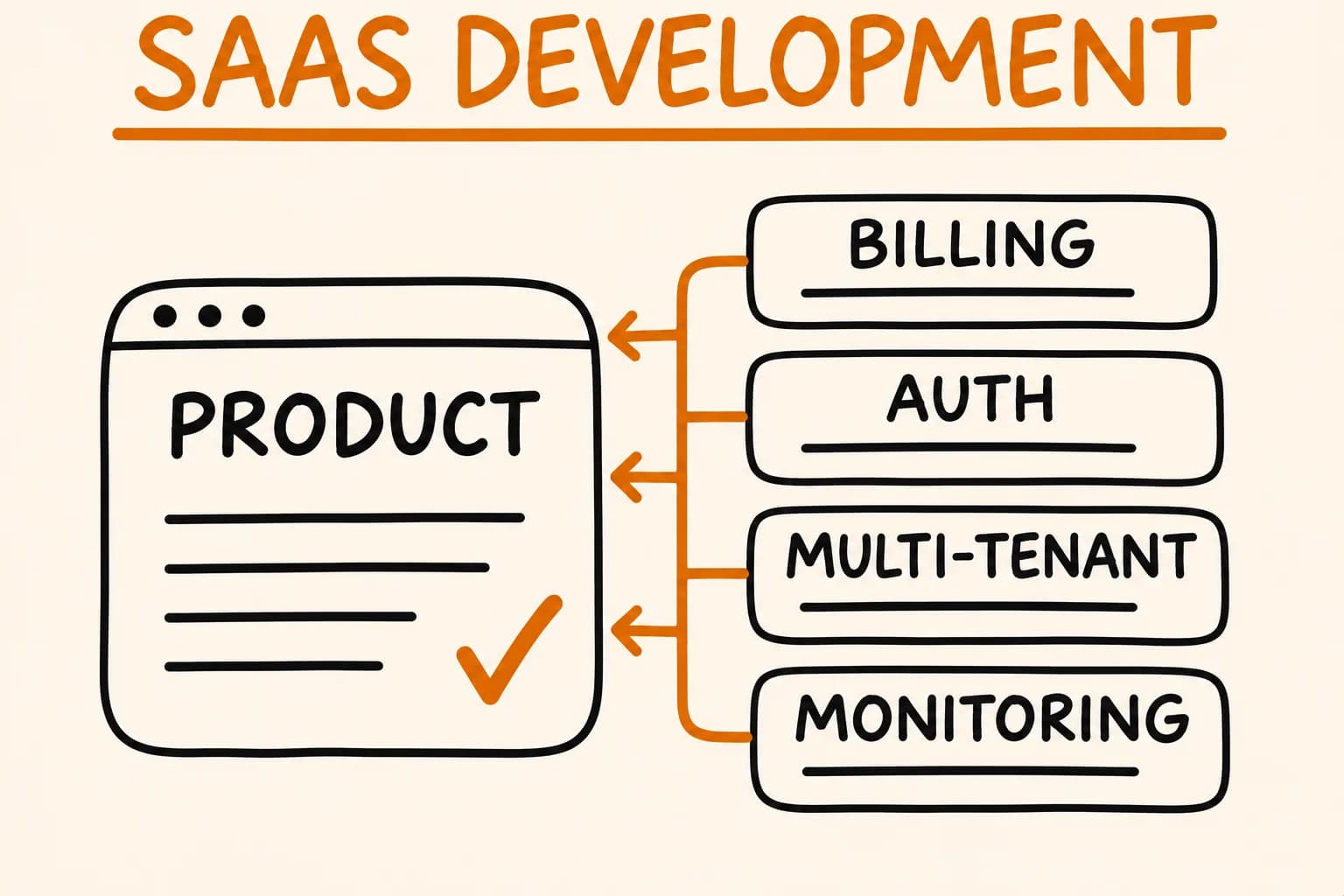
If you are choosing between a SaaS development agency and an independent engineer, here is the difference: you work with the person who writes the code and carries the design decisions. A SaaS product is not a web app with a login page. Once people pay for it, you own a billing system, an account model, tenant isolation, monitoring and a support burden – and each of those has failure modes that a demo never shows. I build custom SaaS applications with those parts treated as the product, not as an afterthought.
I know this from running my own. I built and operate vatnode.dev, an EU VAT validation API with self-service keys, caching, webhooks and billing; HTPBE.TECH, a PDF authenticity service with a self-built billing layer, a per-period credit ledger and an admin dashboard; and kri.rocks, a multi-tenant booking SaaS where per-specialist advisory locks stop double bookings and a partial unique index stops double charges. These are in production, designed and built by me, so the advice here comes from decisions I had to live with.
This page is for a product that already has users, or is about to. If you are still validating an idea, the MVP page is the better start. If you need billing that survives retries, refunds and outages, accounts and tenants that stay separate, and a system you can see into when something breaks, that is the work I do. I’ll also tell you when a managed provider is the right answer and custom billing is not.
What’s included
- SaaS application development covering subscription billing and plans – state machine, proration, failed payments, invoices and credit notes, EU VAT
- Accounts and authentication – sessions, magic link or OAuth, API keys stored hashed, roles and an owner admin area
- Multi-tenancy – tenant resolution, data isolation, per-tenant limits and quotas
- Webhooks and background jobs – idempotent handlers, retries, protection against double charges
- Observability – structured logging and error tracking, so failures are seen before customers report them
- Deployment – containers, CI, database migrations, self-hosted or cloud
- Reliability work on an existing SaaS – audits, hardening, incremental fixes without a rewrite
How I approach this
01
Read the product and its risks
Plans, customers, money flows, integrations and what already hurts. I read the code if there is any. Validating a first version instead? I’d point you to MVP development.
Still validating the idea? See MVP Development02
Decide what to build and what to buy
Billing, auth, email and monitoring: which part a provider handles well, which part belongs in your code, and who owns the failure cases. Written down, with trade-offs.
03
Build in releasable steps
Working software in small increments behind real checks – database constraints for money, tests for the paths that matter, migrations that don’t break live data.
04
Operate and hand over
Monitoring and alerts in place, documentation of how it runs and what to do when it fails, and a codebase you own. I can stay on for ongoing development or step back.
Ongoing work on a live product? See Custom DevelopmentRelevant projects
View all projects

Role-gated admin dashboard for the HTPBE SaaS platform – real-time KPIs, per-user quota tracking, and a zero-dependency bar chart.
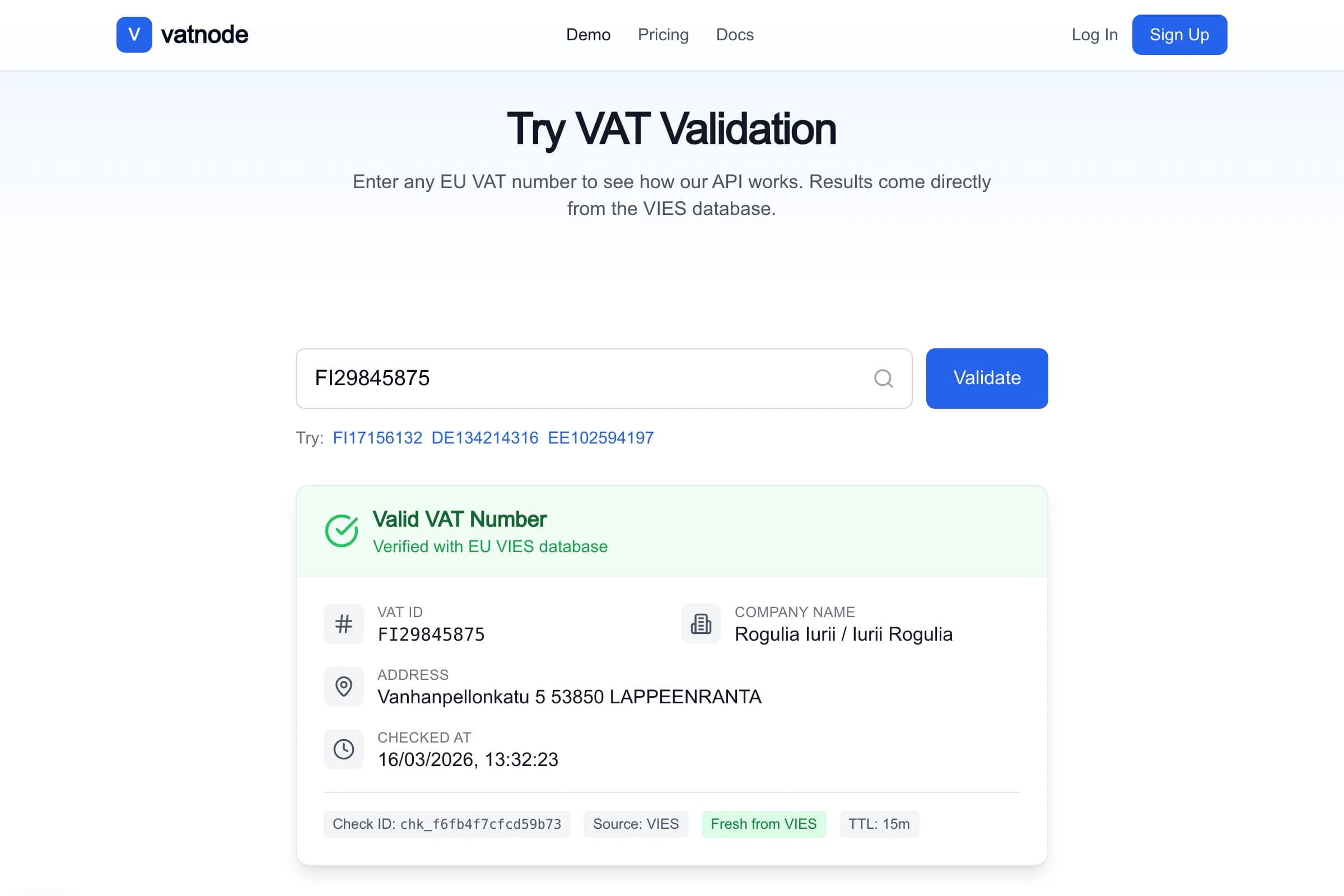
Developer-first SaaS API for EU VAT validation via VIES with Redis caching, change monitoring, and webhook notifications.
Related articles
View all articles· 6 min
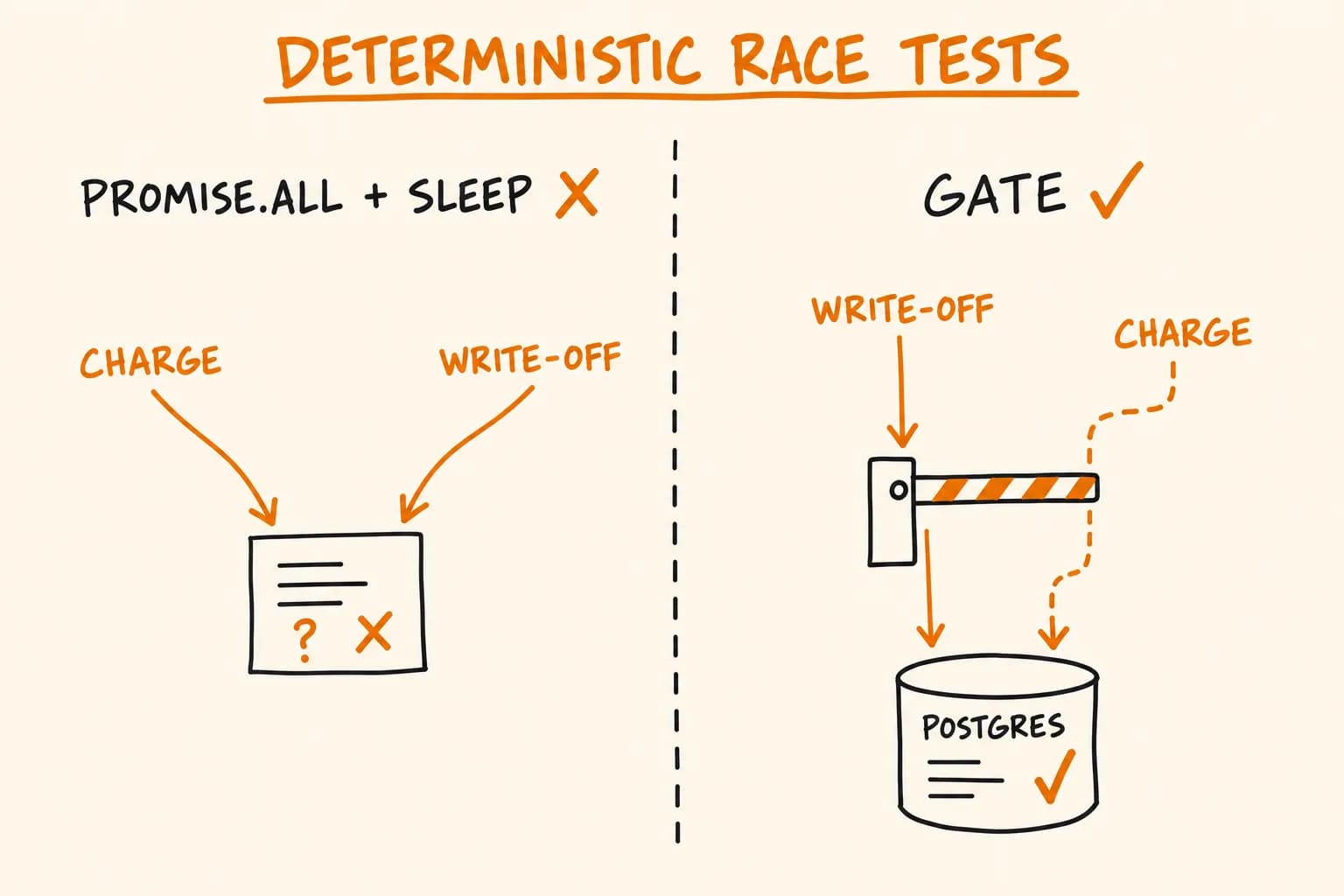
Race condition testing with real PostgreSQL: readiness gates, observed lock waits, provider stubs, and the false confidence a timed assertion can give.
· 13 min
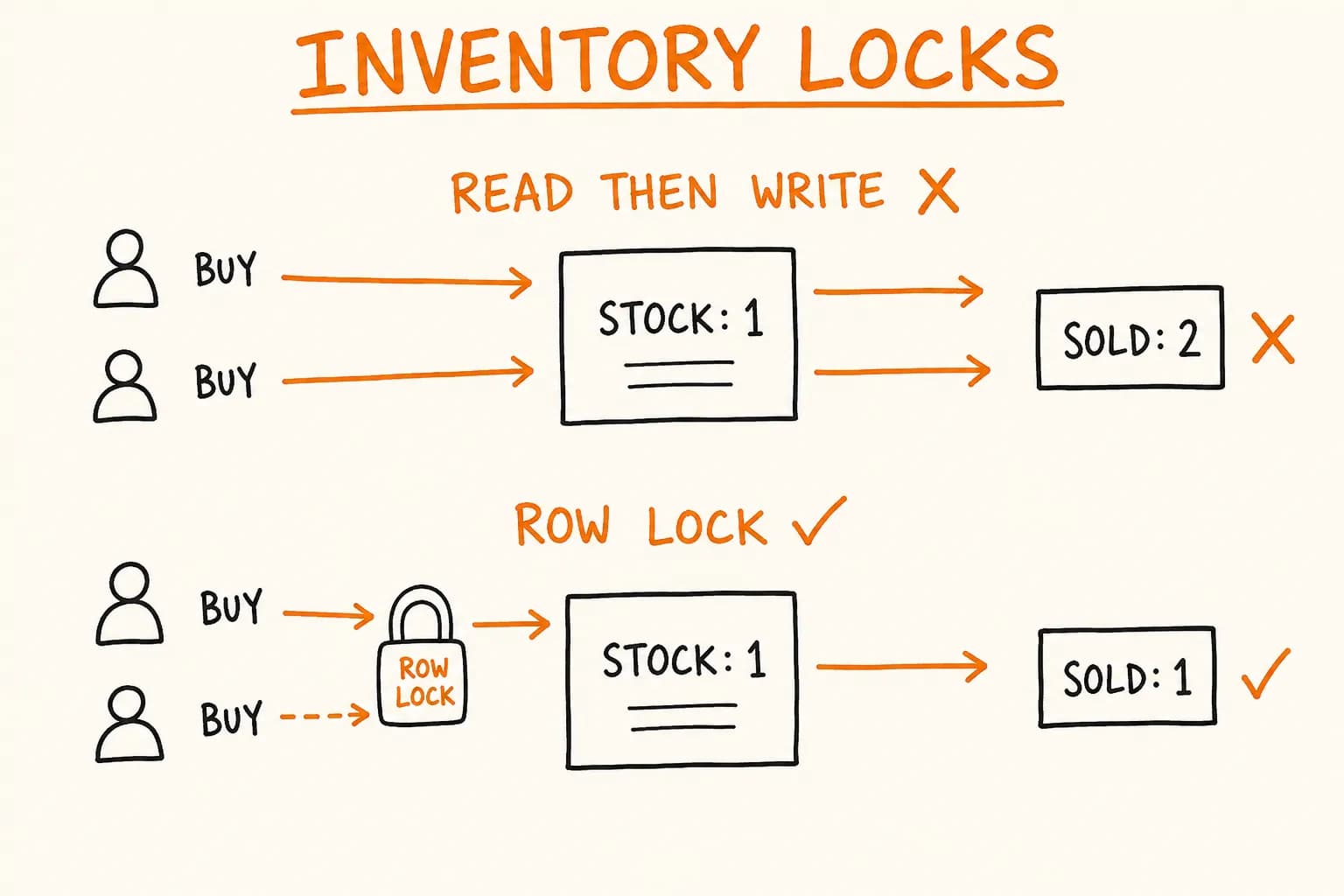
Prevent overselling under concurrent checkouts: reservations vs hard decrements, SELECT FOR UPDATE, deadlock-safe multi-line carts, and the payment window.
· 17 min
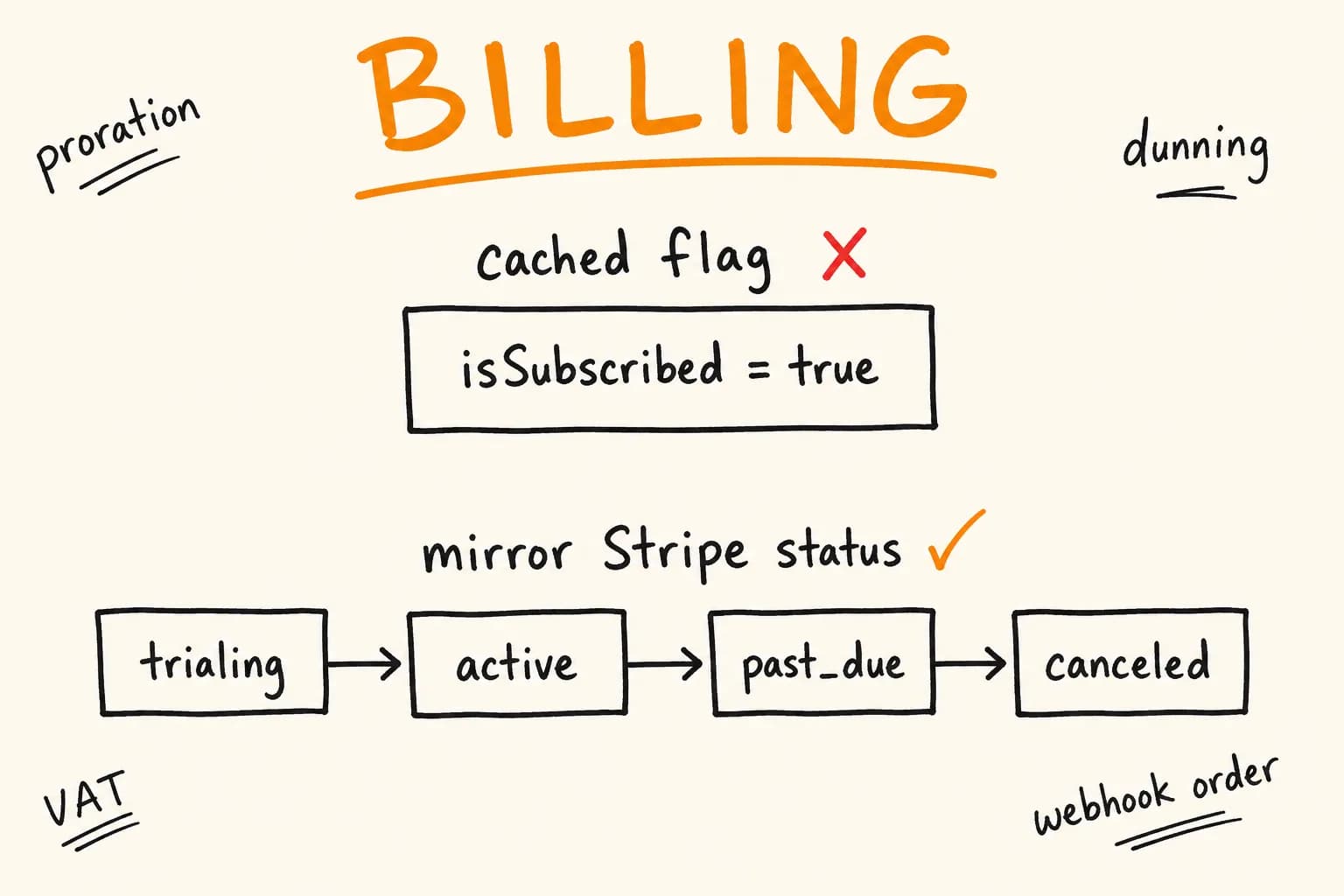
Subscription billing edge cases Stripe glosses over: proration, dunning, the state machine, cancellation timing, refunds, VAT, and webhook ordering.
 Available
Ready to discuss your saas development project?
Tell me what you’re building or stuck with. I’ll reply within 24 hours.